
3% Hydrogen Peroxide
-
Food Grade Hydrogen Peroxide
3% Food Grade Hydrogen Peroxide Spray Bottle 8oz
$8.99Original price was: $8.99.$6.99Current price is: $6.99. — or subscribe to save 5% Add to cart -
Food Grade Hydrogen Peroxide
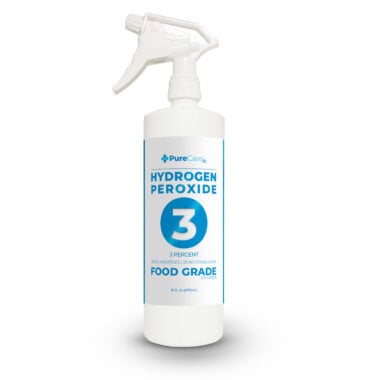
3% Food Grade Hydrogen Peroxide Spray Bottle 16oz
$10.99Original price was: $10.99.$8.99Current price is: $8.99. — or subscribe to save 5% Add to cart -
Food Grade Hydrogen Peroxide
3% Food Grade Hydrogen Peroxide Solution 32 oz
$14.99Original price was: $14.99.$9.99Current price is: $9.99. — or subscribe to save 5% Add to cart -
Food Grade Hydrogen Peroxide
3% Food Grade Hydrogen Peroxide Solution 1 Gallon
$29.99Original price was: $29.99.$19.99Current price is: $19.99. — or subscribe to save 5% Add to cart -
Food Grade Hydrogen Peroxide
3% Food Grade Hydrogen Peroxide Solution 32 oz – 4 Pack
$29.99Original price was: $29.99.$19.99Current price is: $19.99. — or subscribe to save 5% Add to cart
What Is 3% Hydrogen Peroxide?
Bulk Peroxide lists 3% hydrogen peroxide products in this category. Confirm the concentration, package size and product specifications on the individual listing and supplied label.
Hydrogen peroxide is an oxidizing chemical. Concentration alone does not establish suitability for a material, treatment or process. Review the product label and Safety Data Sheet before use.
What Precautions Apply to 3% Hydrogen Peroxide?
Follow the supplied product’s label and Safety Data Sheet for exposure precautions, handling, storage and protective equipment. Keep the product away from children and pets.
Do not combine hydrogen peroxide with other cleaning chemicals. Check the surface or equipment manufacturer’s care instructions before choosing a treatment; a lower concentration is not a guarantee of compatibility.
How Do I Choose a Product for the Task?
Check the product’s intended use and the requirements of the material or process. Do not infer suitability for plant care, food washing, personal care or water treatment from the percentage or food-grade designation. Ask the supplier for missing documentation before proceeding.
What Does the Concentration Tell Me?
The percentage describes the concentration of the solution; it does not establish performance or suitability for a particular application. Confirm the concentration basis and specifications on the label and lot documentation rather than relying on a general online recipe.
3% Hydrogen Peroxide: Frequently Asked Questions
How Do I Verify the Product I Receive?
Compare the container label with your order and any lot-specific Certificate of Analysis. Check the product name, concentration and lot identifier. Contact the supplier if the documents do not agree.
Does This Page Provide Plant-Care Instructions?
No. Do not add peroxide to soil or irrigation water based on this category page. Follow an appropriate professionally specified process and the applicable product directions.
How Should I Select a Surface-Care Method?
Follow the surface manufacturer’s instructions and the directions for the product you choose. This listing does not establish that a particular product will disinfect a surface or is compatible with every material.
What Should I Do About a Pet Exposure?
Contact a veterinarian promptly and provide the exact product information. Do not induce vomiting, administer peroxide or use it on an animal based on a general online article.
How Long Does 3% Food Grade Hydrogen Peroxide Last?
Use the shelf-life and storage information supplied for the actual product and lot. Hydrogen peroxide can lose concentration over time; a general estimate is not a substitute for product documentation.
Is This Listing a Hair-Care Instruction?
No. Do not use a chemical category listing as directions to apply peroxide to hair or skin. Use only a product specifically intended for the personal-care task and follow its own directions.
Does Food Grade Mean a Homemade Produce Wash?
No. Do not treat a food-grade designation as a recipe for washing fruits or vegetables. For home produce washing, use plain running water and follow food-safety guidance.
What is the Chemical Formula for 3% Hydrogen Peroxide?
The chemical formula for hydrogen peroxide is H2O2, meaning that it contains two hydrogen atoms and two oxygen atoms. The percentage refers to the concentration of the solution, not its chemical formula.
What Should I Check Before a Dilution?
Confirm the starting product, concentration basis and requirements of the process. Use a validated procedure with appropriate handling controls. This page does not provide a dilution recipe.
How Should I Care for Jewelry?
Follow the jeweler’s care instructions for the complete item, including its stones, metal, coatings and adhesives. Do not infer compatibility from peroxide concentration or a test on one small area.
Does This Product Page Authorize Body Use?
No. A grade or concentration does not establish suitability for use on the body. Follow the specific product label; this page does not provide hair, skin or oral-care instructions.
Does a 3% Label Establish Disinfection Performance?
No. A concentration alone does not establish an approved use or an application procedure. For a disinfection task, choose a product specifically labeled for that purpose and follow its directions.
Material and Equipment Care
Match the Product to the Material
Care requirements vary with the surface, coating, seals and equipment design. Read the manufacturer’s directions and the selected product label before use. This category page is not a universal cleaning or treatment procedure.
-
Gym Equipment
Follow the equipment manufacturer's care instructions for grips, padding, coatings and electronic components. Do not apply an unverified chemical treatment to the entire item. -
Car Interiors
Check the vehicle manufacturer's instructions for upholstery, trim, displays and other interior materials. Different finishes can require different products. -
Pet Areas
Follow the care instructions for bedding, toys and enclosures and the directions on the product selected for the task. Keep animals away from chemicals as directed. -
Electronics
Follow the device manufacturer's instructions. Do not spray liquids into openings or assume a chemical is suitable for a screen, keyboard or other electronic component. -
Outdoor Furniture
Identify the fabric, finish, wood, metal or plastic and use its care instructions. Address persistent moisture and material damage rather than improvising a stronger treatment.
Check Compatibility Before Stain Treatment
-
Glass and Mirrors
Follow the care instructions for the glass and any coatings, backing or frame. A product appropriate for one component may not be appropriate for the others. -
Bathroom Surfaces
Identify the tile, grout, sealants and fixture finishes before selecting a product. Do not combine cleaners or assume a general chemical listing provides a complete care procedure. -
Wood and Finishes
Consult the manufacturer or a qualified refinisher before applying a chemical to wood. Surface finishes and dyes can affect which methods are appropriate. -
Outdoor Materials
Use the manufacturer's care directions for decks, fabrics and furniture. Persistent staining or deterioration may require professional assessment. -
Metal Surfaces
Check the metal, plating and coating before choosing a cleaning method. Do not assume that hydrogen peroxide is non-corrosive or suitable for every metal.
A spot test is not a substitute for product directions or a material-compatibility assessment. Do not improvise a peroxide mixture or extend an instruction from one surface to another.
Questions Before Trying a New Application
-
Jewelry
Use the care instructions for the exact piece rather than an equal-parts soaking recipe. Ask a jeweler when the materials or finish are uncertain. -
Personal Care
Do not apply this product to hair, skin or the mouth based on a household-use list. Follow the labeling of a product specifically intended for that task. -
Plant and Soil Care
This category page does not provide fertilizer, irrigation or plant-treatment recipes. Do not add peroxide to a growing system without an appropriate specified process. -
Shower Curtains
Follow the curtain's care label and the selected cleaning product's directions. Avoid homemade mixtures and use the care method appropriate to the fabric or plastic.
Safety First: Tips for Using Hydrogen Peroxide at Home & Work
-
Storage
Follow the product label and Safety Data Sheet for storage conditions and incompatible materials. Keep the product in its original suitable container and do not modify the closure. -
Protective Equipment
Use the exposure controls and protective equipment specified for the supplied product. Avoid contact with eyes, skin and clothing as directed. -
Do Not Mix Cleaning Chemicals
Do not combine peroxide with bleach, vinegar, ammonia or other cleaning products. Follow the label and Safety Data Sheet for incompatible materials. -
Application and Concentration
Use only a procedure appropriate to the supplied product and task. A dilution calculation does not establish safety, compatibility or performance. -
Children and Pets
Store the product securely out of reach of children and pets. Do not put it in a food or beverage container or use the grade designation as a reason to ingest it. -
Exposure Response
Follow the first-aid instructions in the product label and Safety Data Sheet. Seek poison-center or emergency medical advice promptly for ingestion or significant exposure, and keep the product information available. Do not induce vomiting after ingestion.


