
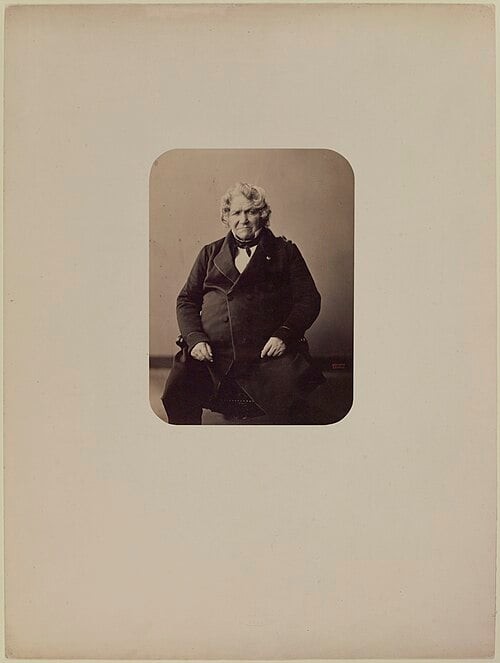
Who Discovered Hydrogen Peroxide? Thénard’s 1818 Discovery
Louis-Jacques Thénard discovered hydrogen peroxide in 1818. Explore the historical sources and why later publication and factory dates differ.
Louis-Jacques Thénard discovered hydrogen peroxide in 1818. Explore the historical sources and why later publication and factory dates differ.
Before using hydrogen peroxide on painted walls, check the paint and finish. Learn why cure time, gentle cleaning and changes in sheen matter.
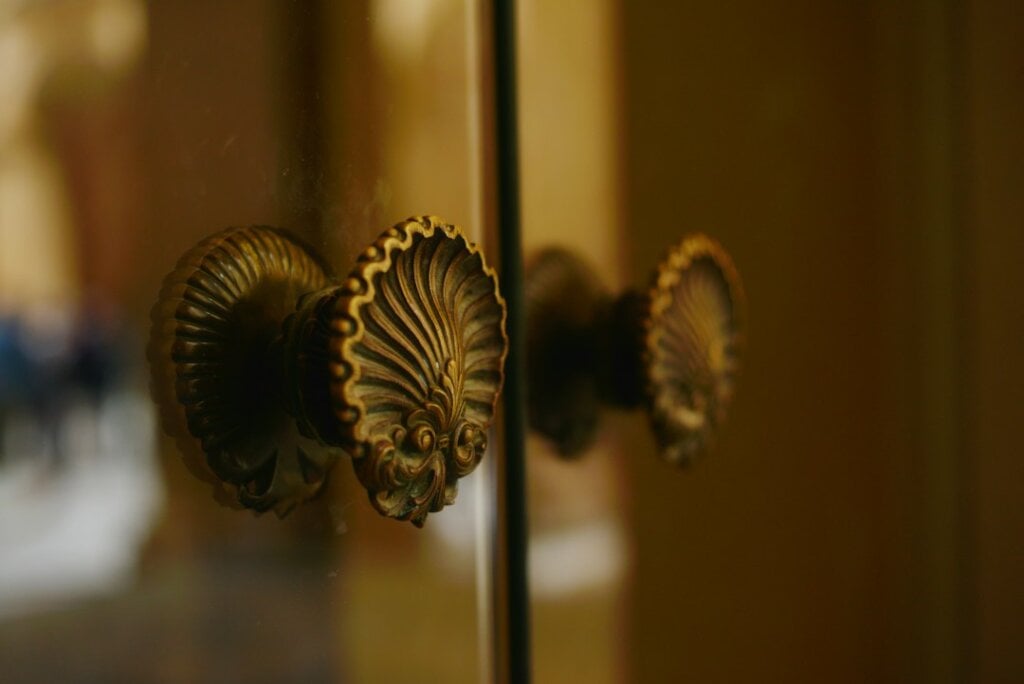
Hydrogen peroxide can react with brass. Learn why plating, lacquer and patina matter, why a magnet is only a clue, and where to find the right care instructions.
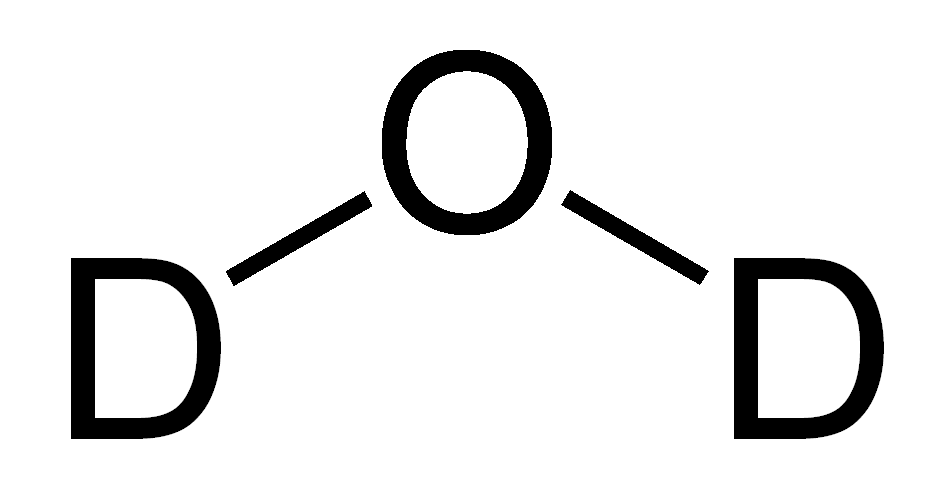
Hydrogen peroxide is H2O2, not heavy water. Learn what D2O means, how deuterium differs from ordinary hydrogen, and why weight does not decide the name.
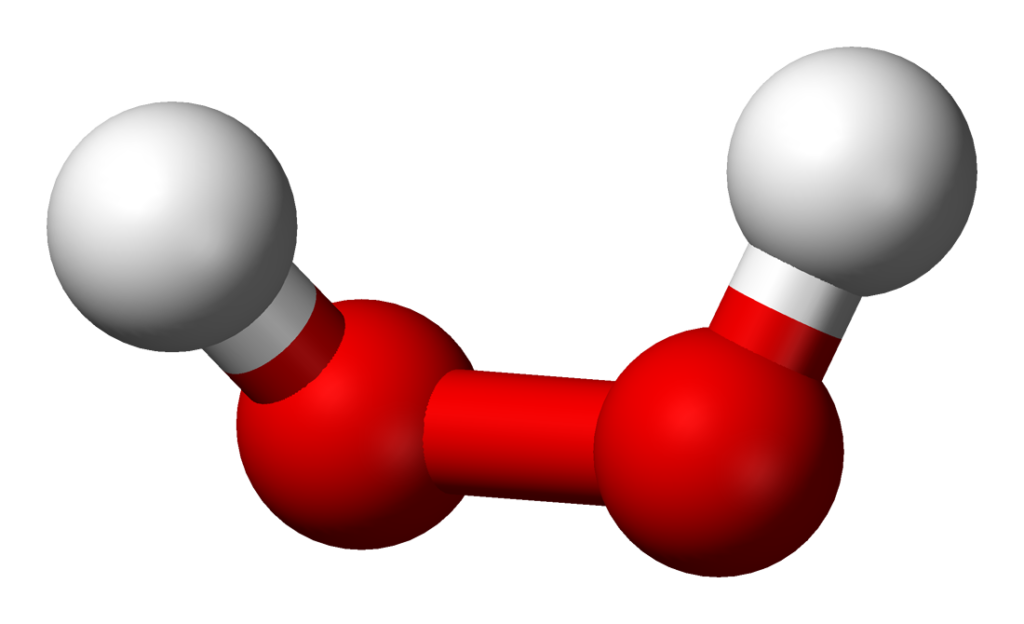
Hydrogen peroxide can form hydrogen bonds with neighboring molecules. Learn how these attractions differ from the bonds inside H₂O₂.

Leather finishes need different care. Compare aniline, pigmented and nubuck surfaces, and learn why generic peroxide tips cannot establish compatibility.
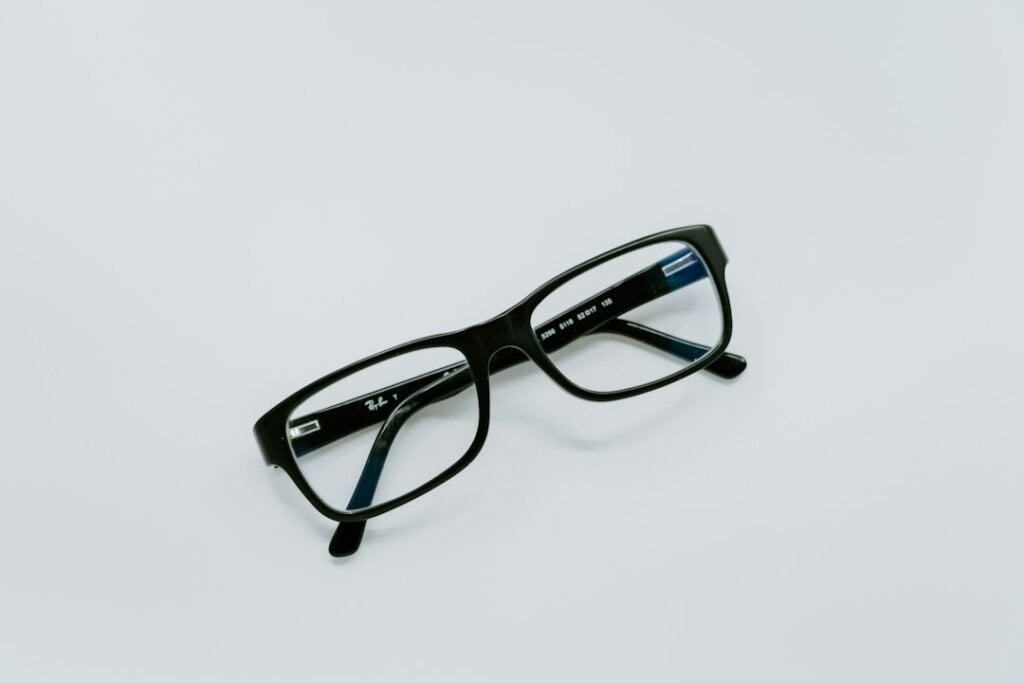
Household peroxide is not a default eyeglass cleaner. Check the directions for your exact lenses and frame, including coatings, decorations and smart features.

Start with clean water, two soft cloths and a dry finish. This practical guide explains streaks, mirror-edge care and why peroxide is not a universal mirror cleaner.
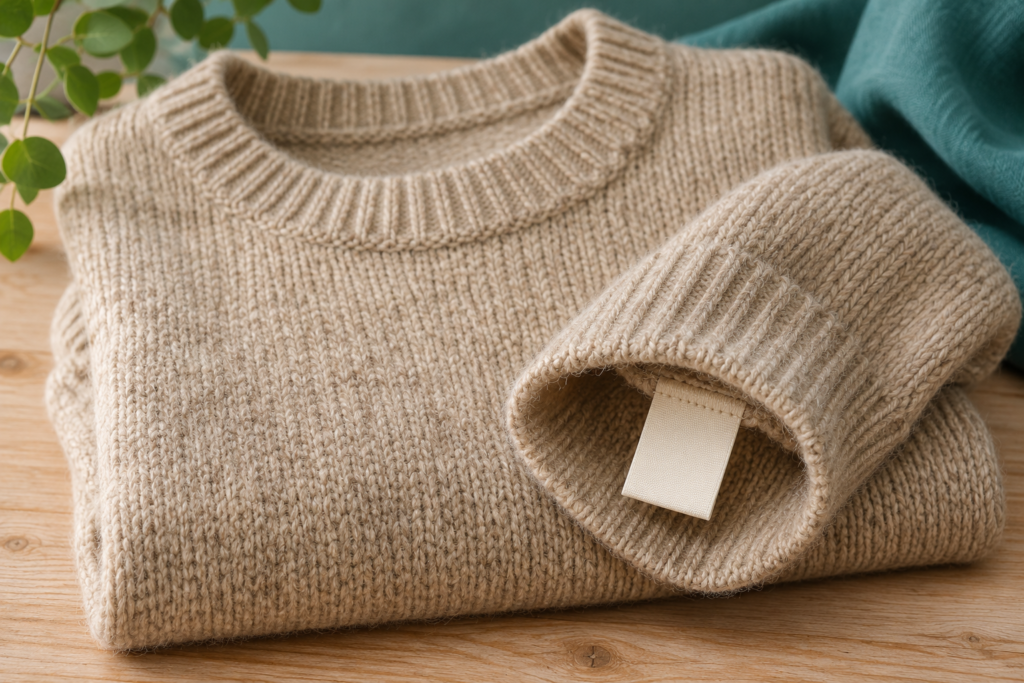
Woolmark advises against oxygen and chlorine bleach when washing wool. Learn why industrial peroxide use does not make it a home stain remedy.
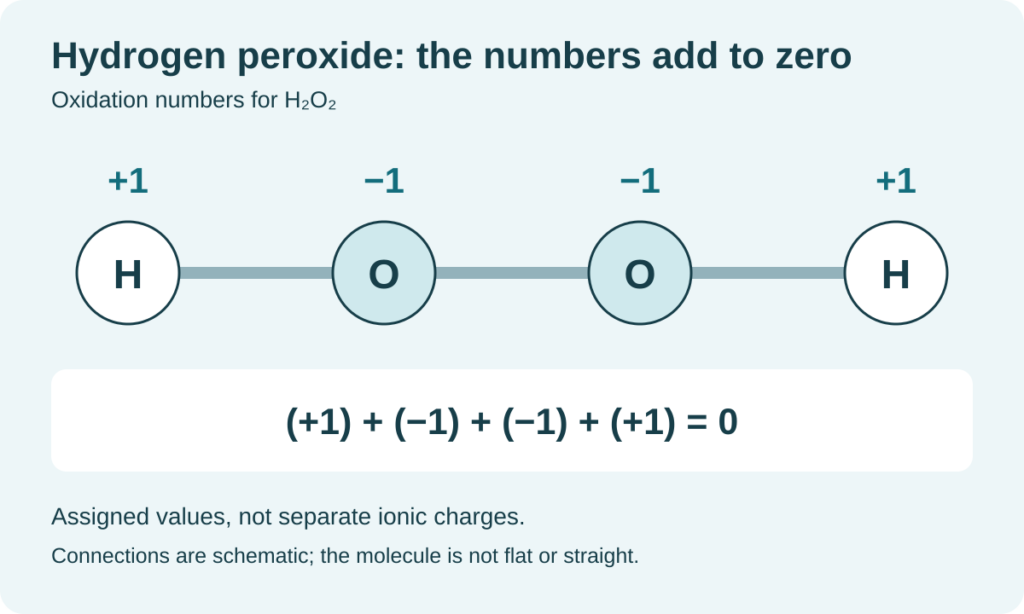
Each oxygen in H₂O₂ is assigned −1. Follow the simple calculation and see why oxidation number, molecular charge and bond count are different ideas.