
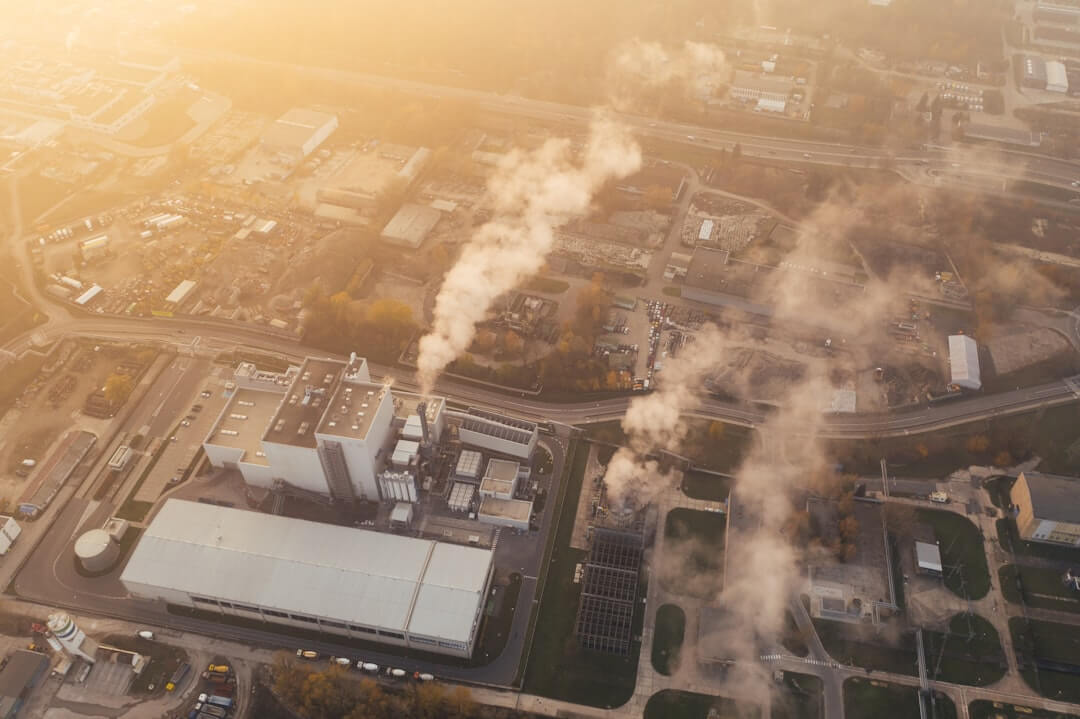
Hydrogen peroxide is used as an oxidizing chemical in some engineered wastewater-treatment systems. A treatment decision must start with the actual contaminants, flow conditions and discharge or reuse requirements. Adding peroxide is not a general-purpose way to make wastewater safe.
This article outlines questions for evaluating an industrial treatment process. It does not provide a dosing procedure or recommend Bulk Peroxide products for wastewater disinfection. Product and system suitability require application-specific assessment.
Hydrogen peroxide can decompose into water and oxygen, but the complete treatment process can contain other chemicals, contaminants and reaction products. Decomposition alone does not establish environmental harmlessness, successful treatment or permission to release the water.
Key Takeaways
- Hydrogen peroxide may be used in engineered oxidation treatment.
- Treatment objectives and performance measurements must be defined for the actual wastewater.
- Industry type alone does not establish the appropriate treatment chemical or process.
- Handling, storage and waste controls must address the exact product and facility.
- Evaluate case studies for comparable conditions and measured results, not general success claims.
- New treatment technologies require technical review before use in an operating system.
Evaluating Hydrogen Peroxide in a Treatment Process
An oxidation process must be evaluated against the specific contaminants and required water-quality outcome. Do not assume that a chemical will remove every pollutant or that a visible change demonstrates successful treatment.
Industrial effluent may contain a complex mixture of substances. The treatment team should determine what needs to be measured and how a proposed system fits with existing treatment stages, equipment and waste-management requirements.
Oxidation and disinfection are separate treatment objectives. If microbial control is required, it needs the exact appropriate product, validated process and applicable requirements. This overview does not establish antimicrobial performance for a bulk peroxide product.
Applications of Hydrogen Peroxide in Different Industries

Wastewater composition varies across facilities, even within the same industry. A textile operation, for example, should assess the actual dyes, other contaminants and quality requirements rather than choosing a treatment from an industry-wide use list.
Food and beverage facilities also need process-specific evaluation. A facility’s hygiene requirements do not establish that peroxide alone will disinfect wastewater or make it suitable for reuse.
The treatment team must consider the destination of the treated water and the applicable quality criteria. Discharge and reuse decisions should be supported by measurements and the relevant requirements, not an assumption that treatment makes the water harmless.
Safety and Environmental Considerations When Using Hydrogen Peroxide
Hydrogen peroxide is a reactive oxidizer with concentration-dependent exposure and compatibility hazards. Follow the exact product label and SDS and a workplace risk assessment when selecting equipment, protective measures and operating controls.
Staff need documented procedures for receiving, storage, use and incident response. NIOSH hydrogen peroxide guidance identifies hydrogen peroxide as a powerful oxidizer and describes its exposure hazards. Do not treat decomposition into water and oxygen as evidence of low handling risk.
Environmental review must address the complete process and its waste streams. Monitor the parameters required by the treatment design and applicable discharge or reuse conditions. Do not add chemical or release treated water based on a generic article.
How to Evaluate a Wastewater-Treatment Case Study
Look for the source of the study, the wastewater characteristics, the treatment objectives and the measured results. An unnamed “successful plant” example does not establish that the process is relevant to your facility.
Compare operating conditions, treatment stages, equipment, limitations and monitoring requirements. Ask whether the results were sustained and whether the study addresses the contaminants and outcome that matter to your operation.
A published result is background evidence, not permission to copy a treatment into a different system. A qualified treatment team should determine what assessment and validation are needed before a change is adopted.
Future Trends and Innovations in Hydrogen Peroxide Wastewater Treatment Technology

New treatment technologies should be reviewed against the facility’s requirements rather than adopted because they promise lower chemical use or improved performance. Request evidence for the complete system, including limitations and waste-management needs.
EPA’s treatment-technology overview describes advanced oxidation among water-treatment technologies. That overview is useful background, but it does not provide a site-specific wastewater design or establish that a particular peroxide product meets the facility’s requirements.
Changes to chemical selection, equipment or operating conditions should be reviewed by the responsible technical and safety personnel. Potential benefits need to be demonstrated for the actual wastewater and process.
The central question is whether the complete treatment system meets its defined objectives with the necessary operating, safety and environmental controls. Hydrogen peroxide’s presence alone does not answer that question.
Use process documentation, supplier specifications and qualified treatment advice when evaluating an industrial application. Food-preservation or household peroxide articles are not evidence that a wastewater process will meet its performance requirements.
FAQs
What is hydrogen peroxide?
Hydrogen peroxide is a chemical compound with the formula H2O2. It is a reactive oxidizer used in certain controlled industrial processes.
How is hydrogen peroxide used in wastewater treatment in industries?
It may be used as part of an engineered oxidation process. Treatment performance depends on the actual contaminants and system, and must be assessed against the required discharge or reuse criteria.
What are the benefits of using hydrogen peroxide for wastewater treatment in industries?
Potential benefits must be demonstrated for the particular wastewater and process. Compare measured treatment performance, compatibility, operating controls and total waste-management requirements rather than assuming universal advantages.
Are there any drawbacks or limitations to using hydrogen peroxide for wastewater treatment in industries?
While hydrogen peroxide is an effective treatment option, it can be costly and may require careful handling and storage due to its reactive nature. Additionally, its effectiveness can be influenced by factors such as pH, temperature, and the presence of other chemicals in the wastewater.
Is hydrogen peroxide safe for the environment and human health?
No blanket safety statement is appropriate. Hydrogen peroxide is a reactive oxidizer, and the treatment process may contain other hazards and reaction products. Use the exact product SDS, a site-specific assessment and the applicable environmental requirements.
