
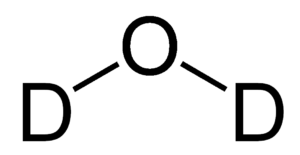
Is Hydrogen Peroxide Heavy Water? H2O2 vs. D2O
Hydrogen peroxide is H2O2, not heavy water. Learn what D2O means, how deuterium differs from ordinary hydrogen, and why weight does not decide the name.
Hydrogen peroxide is H2O2, not heavy water. Learn what D2O means, how deuterium differs from ordinary hydrogen, and why weight does not decide the name.
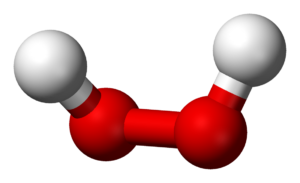
Hydrogen peroxide can form hydrogen bonds with neighboring molecules. Learn how these attractions differ from the bonds inside H₂O₂.
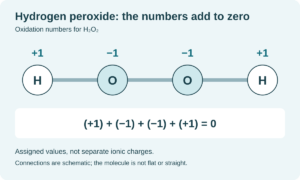
Each oxygen in H₂O₂ is assigned −1. Follow the simple calculation and see why oxidation number, molecular charge and bond count are different ideas.
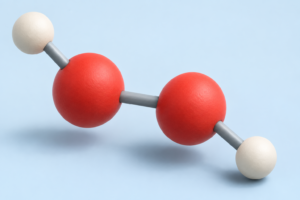
Peroxide is often shorthand for hydrogen peroxide, but the word has a wider meaning in chemistry. Here is how to tell which meaning applies.

An ORP meter reads millivolts, not peroxide concentration. Learn why mV cannot be converted directly to ppm and how laboratory testing differs.

Understand water conductivity and TDS readings, conversion factors, temperature compensation and meter limits, with a simple 50 vs. 70 ppm example.
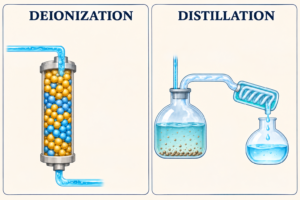
Compare deionized and distilled water: how each is made, what the names mean, and which product details matter before you buy.

Find the right local program for hydrogen peroxide disposal. Check concentration limits, household or business eligibility, and empty-container requirements.
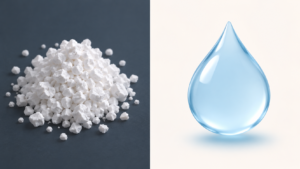
Compare sodium percarbonate with liquid hydrogen peroxide: carbonate, alkalinity, available oxygen and why powder cleaners are not direct substitutes.

One US gallon of 35% hydrogen peroxide weighs about 9.44 lb at 68°F, liquid only. Learn how that differs from packed case and pallet weight.