
Hydrogen peroxide is one of those bottles you’ll find almost anywhere, under the bathroom sink, in a janitor’s closet, or in a laboratory cabinet.
Its familiar appearance can obscure important differences between products and concentrations.
With all that exposure, one big question keeps coming up: Is hydrogen peroxide flammable?
The answer is no, but that doesn’t mean it’s free of fire risk. Its real danger lies in how it behaves around other materials, especially at higher concentrations.
Why People Associate It with Fire
Hydrogen peroxide looks like water, but its reactivity is different. Decomposition can release oxygen and heat.
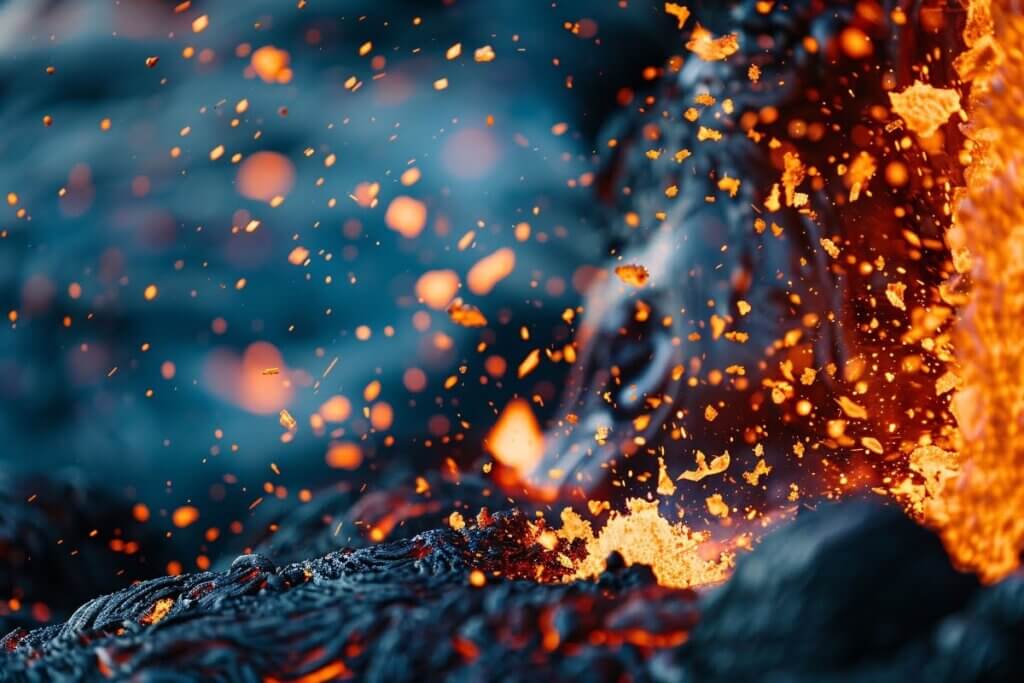
That oxygen is why people assume it catches fire. The truth is, hydrogen peroxide itself doesn’t ignite like gasoline or rubbing alcohol. Instead, it feeds existing flames.
Think of it this way: fire needs oxygen to grow. Hydrogen peroxide releases oxygen when it decomposes, and that extra oxygen makes anything nearby burn hotter and faster.
So while it’s not flammable by definition, it makes fires much more aggressive if one starts close to it.
A Bit of Chemistry in Plain Language
On paper, hydrogen peroxide is H₂O₂- two hydrogen atoms bonded to two oxygen atoms. Compared to water (H₂O), it has that extra oxygen, and that’s what makes it unstable. Heat, light, or contact with metals like iron can cause it to break apart into water and oxygen gas.
The rate of decomposition depends on formulation and storage conditions as well as concentration. Visible fizz is not a concentration measurement. Neither familiarity nor a low percentage makes exposure harmless.
Household Peroxide vs. Industrial Strength
Low-concentration hydrogen peroxide can still irritate skin and eyes. Follow the product label and avoid direct exposure.
But step up the concentration and the risks rise sharply:
- 3% hydrogen peroxide: Found in some products labeled for household cleaning.
- 6% hydrogen peroxide: A stronger solution that requires concentration-specific handling precautions.
- 35% hydrogen peroxide: A concentrated solution requiring product-specific handling controls. The percentage or “food-grade” description does not establish disinfection or food-contact suitability.
- 70% hydrogen peroxide (aerospace, propulsion): Specialized use only. At this level, hydrogen peroxide is reactive enough to cause fires or explosions if mishandled.
That’s why concentration matters so much. The higher the percentage, the more oxygen it can release, and the more dangerous it becomes if spilled or contaminated.
Storage Rules That Make All the Difference
Keep peroxide in its original compatible package and follow its light-protection and storage instructions. Preserve the manufacturer’s closure and venting. Do not open or try to repair a bulging, unusually warm or leaking container; obtain product-specific emergency guidance.
Industrial facilities deal with bigger challenges. A container left in direct sunlight or contaminated with bits of metal can overheat, decompose rapidly, and even rupture.
There have been warehouse accidents where spilled peroxide caused nearby organic materials, like wood or cloth, to catch fire without a flame. It’s another reminder that while it isn’t flammable in itself, it creates the conditions that make fires more likely.
Industrial Uses and Oxidizer Hazards
Hydrogen peroxide has a long history in industrial oxidation and bleaching. This article addresses its fire and handling hazards, not medical uses.
Highly concentrated peroxide also has specialized industrial and aerospace applications. These require purpose-designed systems and trained personnel; they are not instructions for household use or experimentation.
Accidents, Misuse, and Misunderstandings
Some assume “food-grade” peroxide is safe to ingest because of the label. In reality, swallowing even a small amount of 35% peroxide can burn the throat and stomach or cause dangerous bubbles in the bloodstream.
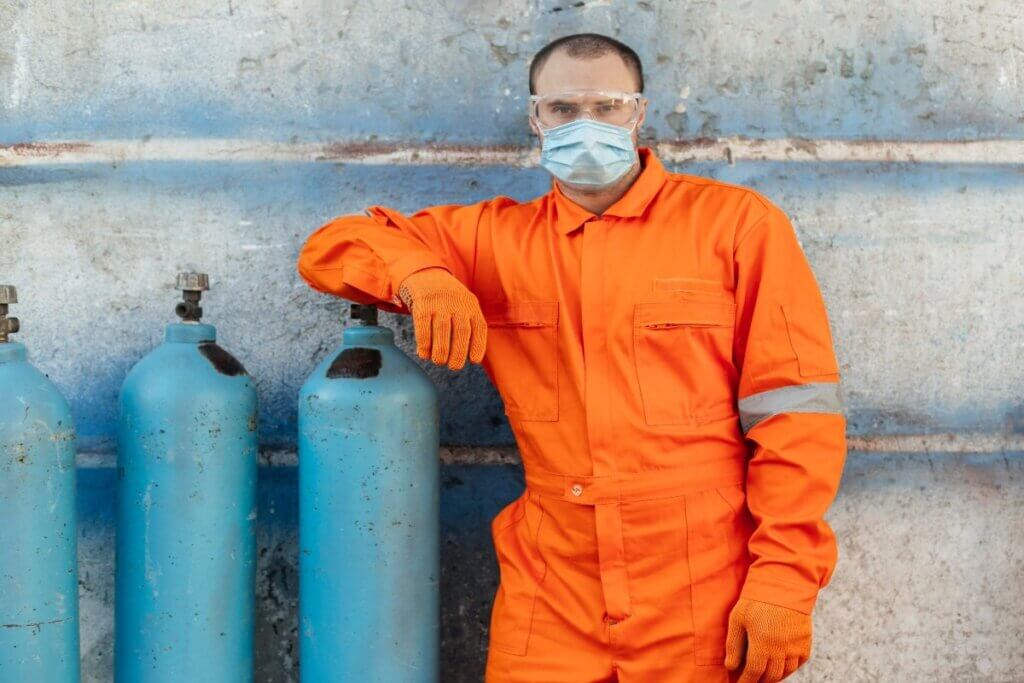
In workplaces, spills of concentrated peroxide on organic materials like rags or paper have caused fires to start on their own. These cases blur the line between “flammable” and “oxidizer,” which is why so many people stay confused about its true behavior.
Why the Confusion Lingers
Part of the problem is language. Safety data sheets describe hydrogen peroxide as an “oxidizer,” but most people equate that with being flammable. They’re not the same thing. Flammable liquids ignite; oxidizers make other things ignite more easily.
Still, from a practical point of view, the effect can look similar. If a spill leads to a nearby material smoldering, it feels like the liquid itself caught fire. That’s why the myth sticks around.
Everyday Handling Reminders
Use products only for their labeled tasks. A surface-cleaning use does not establish medical, disinfection or disease-prevention suitability.
Do not combine peroxide with vinegar, bleach, ammonia or other cleaning chemicals, including by applying it onto their residue. Familiar household products still require product-specific precautions.
Thinking About Fire Science
Hydrogen peroxide is not a fuel, but its oxidizing properties can intensify a fire. Its decomposition releases oxygen and heat, and contact with combustible materials can cause spontaneous combustion. An external spark or flame is therefore not required for every hazardous reaction. Consult the exact product SDS for incompatible materials and conditions to avoid.
It’s similar to using a bellows on a fire pit. The wood and the match start the fire, but it’s the sudden rush of oxygen that makes the flames leap. Hydrogen peroxide works in much the same way – only in liquid form.
Practical Safety Advice
Follow the exact product label and SDS rather than choosing a concentration from a general safety article.
- Keep the original compatible packaging and preserve its specified closure and venting.
- Observe storage temperature, light protection and separation from incompatible materials.
- Do not mix peroxide with other cleaning chemicals or apply it onto their residue.
- Use task-specific exposure controls and protective equipment; industrial work requires qualified assessment and training.
Firefighters and Hazmat Response
First responders treat concentrated hydrogen peroxide with special caution. A fire near a peroxide spill doesn’t behave like a typical blaze.
The oxygen release can make flames spread quickly or reignite after being put out. Hazmat teams often dilute spills with water, but even that has to be done carefully to avoid sudden reactions.
Pulling the Threads Together
So, is hydrogen peroxide flammable? No. But that simple answer only scratches the surface.
Hydrogen peroxide doesn’t catch fire like gasoline. Instead, it supercharges fires around it by releasing oxygen.
Even low-concentration household products require careful handling. In industrial or aerospace contexts, it’s powerful enough to drive engines or cause accidents if not handled with respect.
Final Thoughts: Treating Hydrogen Peroxide with the Respect It Deserves
Hydrogen peroxide’s oxidizing properties require care even though the chemical is described as noncombustible. This safety discussion does not establish that a particular product is suitable for disinfection, medical use or any specialized industrial process.
Follow the product label and concentration-specific SDS. Careless handling can turn a spill into a serious exposure or fire hazard.
Choosing the Right Supplier
For industries that depend on concentrated solutions, having the right supplier matters just as much as having the right safety protocols.
That’s where PureChemPros comes in, providing not just quality products but also the expertise needed to use them responsibly.
Contact us for product documentation. Use the exact label and SDS and obtain qualified guidance for the planned process.
