
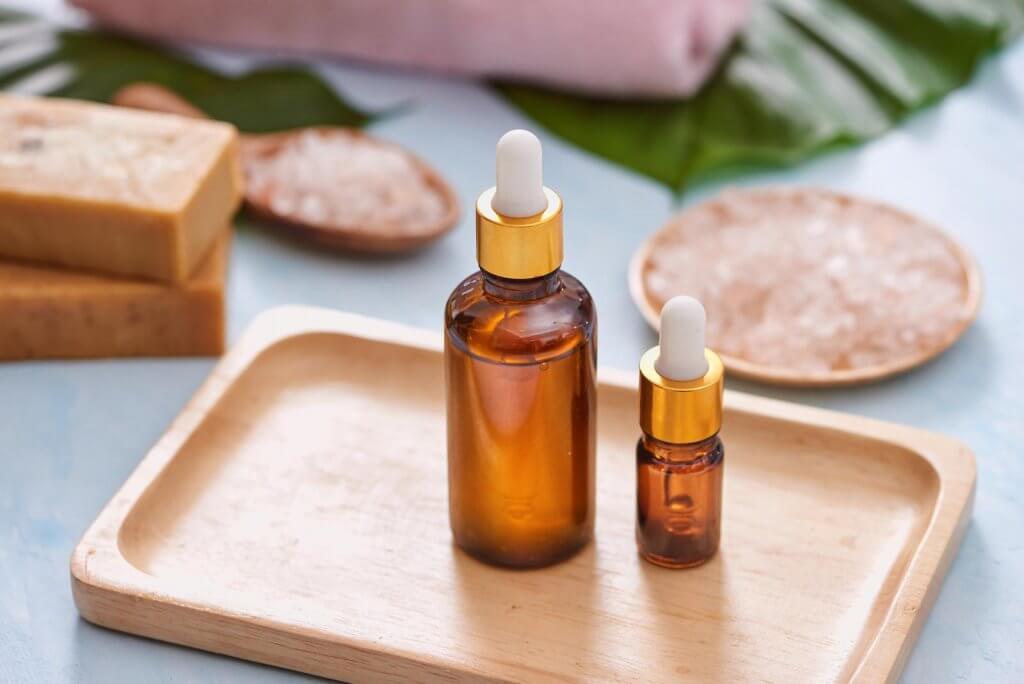
Glass droppers are used with many packaged products, and their care matters. Cleaning decisions should start with the bottle, pipette, bulb and closure manufacturer’s instructions—not with a general promise that a household chemical will make the assembly germ-free.
Before You Clean a Glass Dropper
Identify the previous contents and the intended next use. Confirm that the complete assembly is designed for reuse. A glass bottle can have a rubber bulb, plastic cap or liner with different care and compatibility limits.
Do not reuse a bottle that is cracked, chipped, leaking or missing a sound closure. Do not use an unidentified container or transfer food or drink into a bottle that held a chemical. If the intended use requires sterile packaging, use packaging and a process appropriate to that requirement rather than improvising at home.
Cleaning Is Not Sterilization
Ordinary washing can remove visible residue, but it does not establish disinfection or sterility. A bottle that looks clear is not necessarily suitable for a medicine, cosmetic, food or another sensitive product.
This guide does not recommend a peroxide soak, alcohol treatment, boiling-water procedure or household heating schedule to sterilize glass droppers. An ingredient’s general properties are not validation of a process for the actual bottle and its contents.
Follow the Approved Washing Method
Where ordinary washing and reuse are permitted, follow the manufacturer’s directions for disassembly, a compatible detergent, rinsing and drying. Keep the parts together so that caps, liners and pipettes are not swapped between incompatible packages.
Do not force apart a closure that was not designed to be disassembled. Avoid abrasive tools or an improvised brush that could damage the glass or sealing surfaces. If residue cannot be removed by the permitted method, replace the assembly rather than escalating to a stronger chemical treatment.
Handle leftover product and wash water according to the original product’s disposal instructions. Do not mix chemicals or add peroxide or alcohol to another cleaner. Do not assume that any glass package is suitable for boiling, an oven or a microwave.
Dry, Inspect and Store as Directed
Follow the specified drying method and keep cleaned parts protected from dirt during handling. Inspect the bottle, dropper and closure again before any permitted reuse. Drying or storing a bottle in a clean cupboard does not create a sterile storage system.
Replace parts that are cracked, swollen, sticky or otherwise changed. A new bottle is not a guarantee that an unsuitable refilled product becomes safe; the complete packaging and finished-product requirements still apply.
Why Product and Packaging Care Matter
Residue and incompatible materials can affect a package’s next use. For cosmetics, safety also depends on the formulation, preservation, packaging and storage—not simply on washing the dropper. FDA’s cosmetic-safety guidance recommends keeping containers clean and following manufacturers’ storage instructions.
Do not add water or a household chemical to a finished cosmetic to extend its life or change its preservation. Follow the finished product’s directions and replace it when instructed.
How Often Should You Clean a Glass Dropper?
There is no universal weekly or twice-monthly schedule. Follow the instructions for the product and reusable assembly. Frequency depends on the permitted use; bottle size or how dusty a room looks does not establish an appropriate cleaning interval.
The Bottom Line
Choose a bottle and closure for a defined use, and follow their care limits. Washing, drying and an attractive appearance do not establish sterility or safe contents.
When considering a glass cobalt dropper bottle, review its dimensions, closure and intended-use information before purchase. Do not infer a medical, food-contact or sterilization claim from the package shape.
