
A dishwasher cleans dishes, but its filter, racks, seals, and other components can still need maintenance. Poor washing results, residue, or an odor do not automatically mean that the machine needs a peroxide treatment.
Start with the owner’s manual for the actual model. Appliance care, ordinary dishwashing, and the care of a particular pan or plate are related but separate tasks.
Cleaning and Troubleshooting Are Different Jobs
Food residue, a drainage fault, a damaged rack, and unsatisfactory drying can have different causes. A chemical cleaning cycle is not a repair for every problem.
Note the symptoms and consult the manual’s troubleshooting section. Persistent leaks, unusual noises, electrical concerns, or repeated drainage failures call for a qualified service professional rather than additional household chemicals.
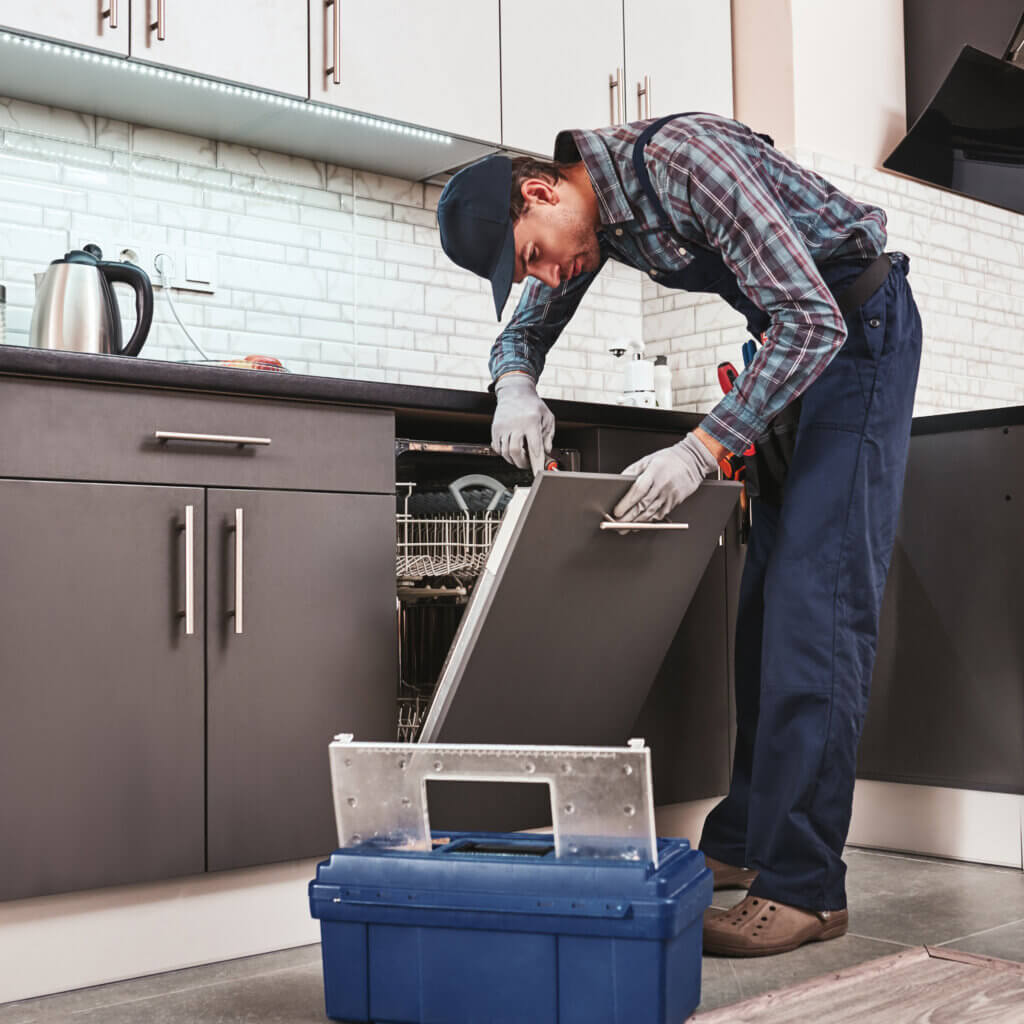
Filters, Spray Arms, and Drainage
Some dishwashers have user-cleanable filters, while others have different arrangements. Remove and maintain only the parts the manufacturer identifies as user-serviceable, following its instructions.
Do not assume that a cleaning product will clear an obstructed drain hose or spray arm. Do not dismantle plumbing, probe unfamiliar openings, or reach into components as a substitute for model-specific guidance.
If the manual’s permitted maintenance does not resolve the issue, seek service. Tell the technician which products have already been used.
Racks, Coatings, and Seals
Inspect racks and accessible surfaces for residue and damage. A worn coating, corroded area, or damaged seal is different from a removable food mark.
Use only the tools and care products permitted for those components. Repeated scrubbing or a peroxide spray cannot be assumed to restore a damaged coating or protect it from further wear.

Choosing an Interior-Care Product
Whirlpool’s interior-care guidance discusses dishwasher-cleaning products for residue. Consult the directions for your own model and the complete label of the proposed cleaner.
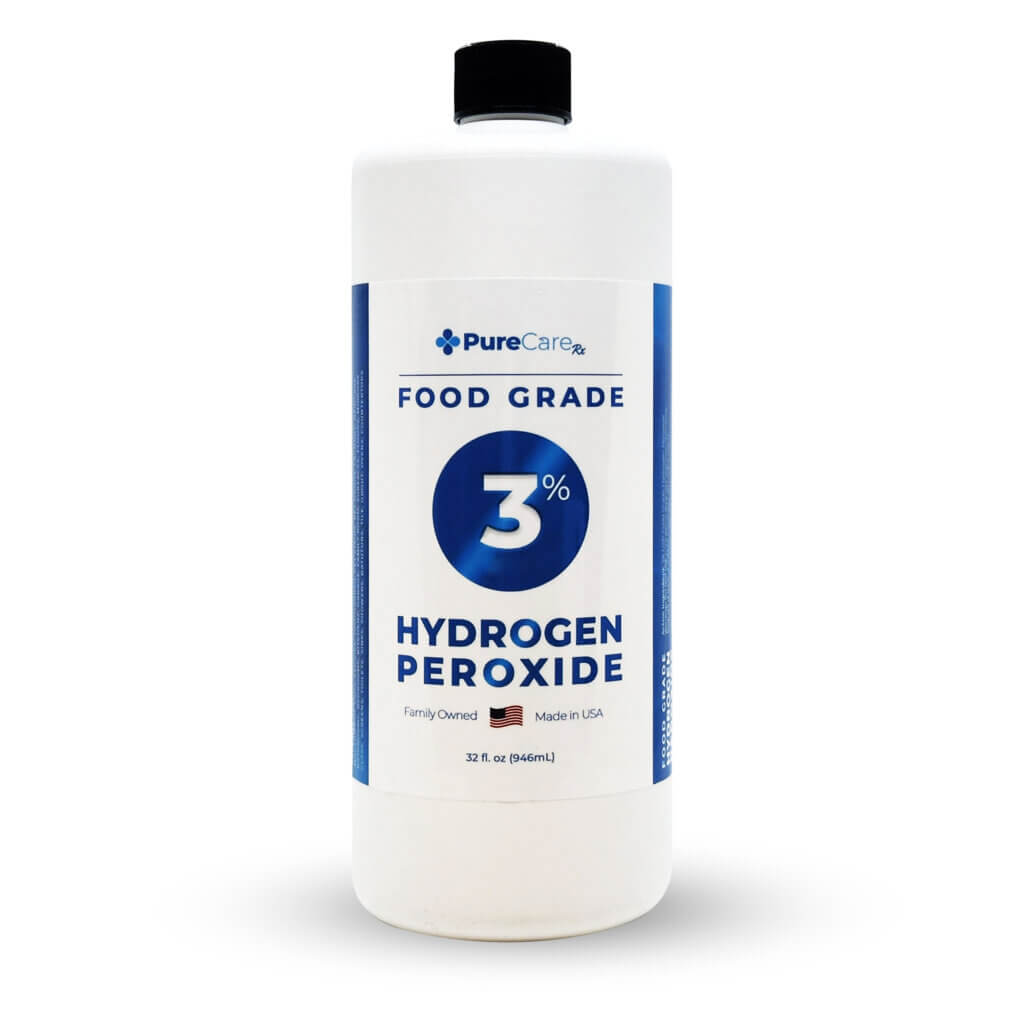
A bulk peroxide bottle is not automatically a dishwasher-cleaning product. Its concentration or grade does not specify a suitable cycle, dispenser location, amount, or food-contact use.
This article provides no peroxide dose, hot-water treatment cycle, spray protocol, vinegar sequence, or peroxide-and-baking-soda mixture. Do not combine or layer cleaners in an attempt to improve performance.
Odor, Mineral Residue, and Drying
An odor may be associated with residue or a maintenance problem, but smell alone does not identify the cause. A change in smell does not establish disinfection.
Mineral marks, detergent residue, and corrosion should not be treated as identical. Follow the appliance maker’s guidance for the specific problem rather than applying a universal bleaching treatment.
Drying results can also depend on the load, selected program, and the machine’s design. Do not diagnose a failed heating element from damp dishes alone. Consult the troubleshooting guidance and obtain service when needed.
Cookware Needs Its Own Care Instructions
Even when an item fits in the rack, it is not automatically dishwasher-safe. Check the cookware maker’s instructions for the material, coating, handles, decoration, and any special finish.

Cast iron: Seasoned and enameled surfaces are different. Lodge’s seasoned cast-iron care information and its enameled cast-iron guidance address different finishes. Do not substitute a peroxide soak or assume that an oxidizer cannot affect the cookware.
Stainless steel: The metal name does not identify every coating, bonded layer, handle, or care restriction. Follow the instructions for the whole item rather than assuming that any cleaner is nonreactive.
China and decorated dishes: Glazes, metallic trim, patterns, and existing chips can affect care. For delicate, valuable, or unidentified pieces, ask the maker or a qualified specialist before attempting stain treatment.
Aluminum: Bare, coated, and anodized items should not be treated as interchangeable. Do not assume that a peroxide treatment will create a protective layer or restore the original finish.
Food Contact Does Not Mean Food Treatment

Directions for a food-contact surface are not directions to wash fruits and vegetables with peroxide. A grade description, including “food grade,” is not an ingestion-safety claim or approval for every food-related use.
Follow the actual cleaning product’s restrictions and any required rinsing directions. This guide does not promise that a peroxide-treated dishwasher, utensil, or food item will be germ-free.
Routine Use and Storage
Use the dishwasher detergent and loading practices specified by the manufacturer. Keep machine-care products separate from food and follow their labels and safety data sheets for handling, protective equipment, storage, and disposal.
Keep chemicals away from children and pets. Avoid ingestion and contact with skin or eyes, and follow the product’s first-aid instructions if an exposure occurs.

The Bottom Line
Match maintenance to the dishwasher and cleaning to the particular dish or cookware finish. Preserve the distinction between residue removal, repair, and hygiene requirements instead of relying on a universal peroxide treatment.
