
A humidifier’s water tank, base, and replaceable parts need care appropriate to the device. Regular maintenance matters, but a homemade peroxide mixture should not be presented as a universal way to make a humidifier or the air in a room pathogen-free.

Identify the type and model before choosing a method. Ultrasonic, impeller, evaporative, and steam devices can differ, and an aroma diffuser should not automatically be treated as interchangeable with a humidifier.
Start With the Manufacturer’s Instructions
Read the manual’s directions for water quality, cleaning products, user-removable parts, rinsing, drying, and replacement components. Follow its electrical-safety instructions before maintenance, including disconnecting power where directed.
Do not immerse an electrical base or dismantle parts that are not intended for user cleaning. A tank, wick, filter, or cartridge may have different requirements from the outside housing.
What Official Humidifier Guidance Says
The EPA’s home-humidifier guidance emphasizes manufacturer instructions and explains that some humidifier types can disperse material from their water tanks into the air.
That guidance includes a conditional peroxide cleaning option when specific manufacturer recommendations are absent. It is not a blanket endorsement of a particular bulk product, an improvised mixture, or adding cleaning chemicals to the operating water.
Follow the complete guidance applicable to the device rather than extracting one chemical name from it. This article does not supply a substitute dilution, soaking time, or chemical application procedure.
Cleaning the Device Is Not Treating the Air
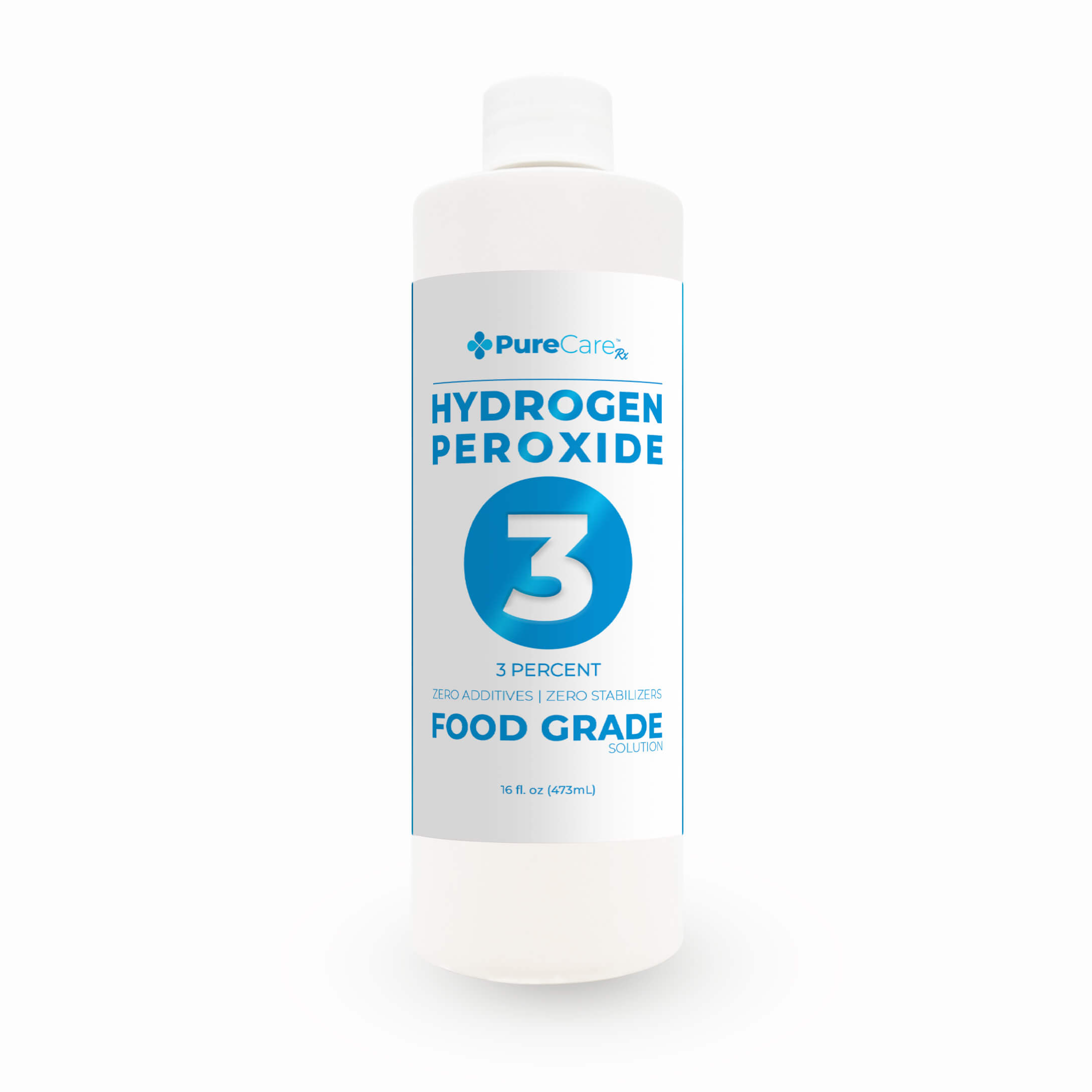
A peroxide concentration or “food grade” label does not establish that a product is suitable for inhalation. Do not run a humidifier to disperse peroxide or a cleaning mixture into a room.
Cleaning and disinfecting products, when permitted by the applicable instructions, must be handled as directed before the device returns to service. Do not leave cleaning residues in place on the assumption that the mist will be beneficial.
Mineral Deposits, Film, and Odor
Mineral scale, a visible film, and an odor are different observations. They do not, by themselves, identify the same cause or justify the same chemical treatment.
Use the water type and maintenance approach recommended for the model. Do not add vinegar, peroxide, or another product to an existing cleaning solution, and do not improvise a sequence of chemicals to tackle stubborn deposits.
If a part cannot be cleaned as directed or appears damaged, consult the manufacturer about service or replacement. More concentrated product or a longer soak is not a substitute for that assessment.
Water, Replaceable Parts, and Storage
The CDC’s guidance on water-using devices also directs users to device-specific care. Follow the humidifier’s instructions for changing water and maintaining or replacing wicks, filters, cartridges, and other consumable parts. Do not assume that every filter is washable or can be restored with a chemical soak.
Follow the manufacturer’s drying and storage instructions before putting the device away and its inspection or cleaning guidance when returning it to use. Stored water or residue should not be ignored simply because the exterior looks clean.

Watch the Room as Well as the Device
The EPA also advises against allowing the surrounding area to become damp. Follow applicable humidity and placement guidance rather than assuming that more visible mist is always desirable.
If use seems associated with respiratory symptoms, stop using the device and seek medical advice. A maintenance article is not a diagnosis or a guarantee of healthy air, including in rooms used by children or infants.
Instructions for a household humidifier should not be transferred to respiratory medical equipment. Follow that equipment’s specific manufacturer and clinical guidance.
The Bottom Line
Keep manufacturer-led maintenance separate from chemical aerosolization and health promises. The goal is to care for the actual device as directed—not to create a universal peroxide treatment for humidifiers or indoor air.
