
Hydrogen peroxide is used in industrial cleaning, manufacturing, and controlled food-processing applications. This article discusses nonmedical uses of the chemical.
The uses of hydrogen peroxide extend across many industries, including textile processing, paper manufacturing, and environmental treatment.
For something that’s just water with an extra oxygen atom, its usefulness is nothing short of impressive.
Let’s take a closer look at why hydrogen peroxide continues to be a staple across so many industries.
A Cleaner Kind of Clean
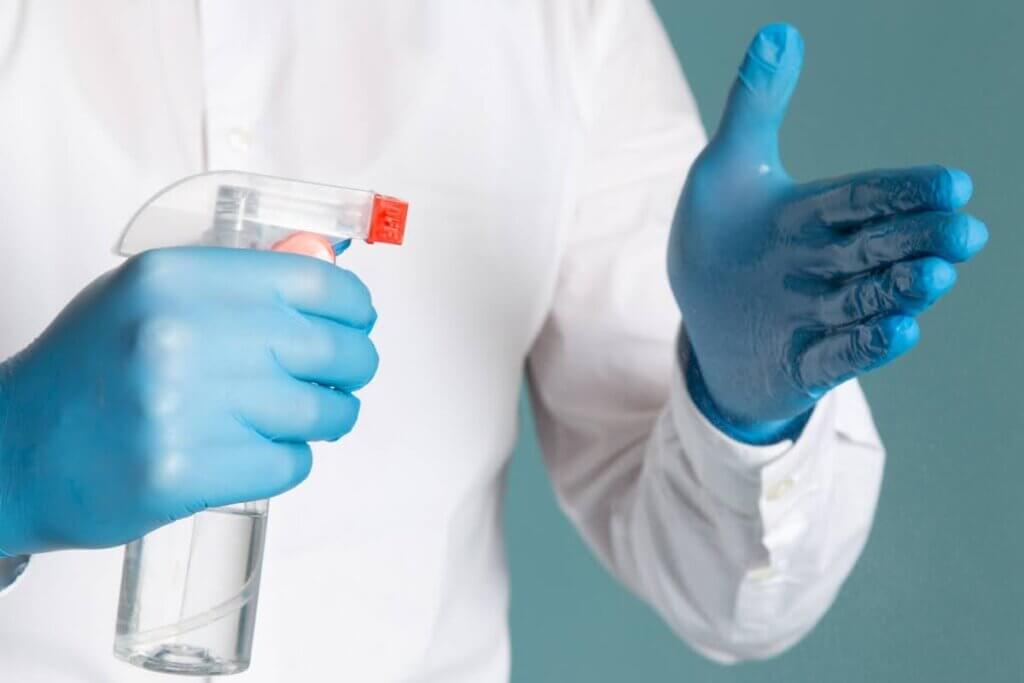
Hydrogen peroxide is an oxidizing agent that breaks down into water and oxygen. This does not make the product harmless: concentration, compatible materials, and process controls matter. Follow the product label and concentration-specific Safety Data Sheet (SDS). Avoid ingestion, inhalation, and contact with skin or eyes; use the protective equipment and handling controls specified for the product.
Industrial users select hydrogen peroxide according to process requirements, material compatibility, and the applicable handling controls.
The Secret Behind Whiter Whites
Hydrogen peroxide is used in certain textile and paper processes as a bleaching agent. Whether bleaching achieves the required result without unacceptable fiber damage depends on the material and the complete process; it is not a guarantee for every fabric.
Finished bleaching and cosmetic formulations have their own ingredients, compatibility limits and directions. Their use of peroxide does not establish that a bulk solution is suitable for hair, teeth or another personal-care application. Follow the exact finished product’s label.
Bubbling can occur as hydrogen peroxide decomposes and releases oxygen. Bubbling alone does not establish cleaning effectiveness or product suitability.
Food Packaging Requires Product and Process Review
Food-packaging processes require application-specific equipment, product specifications and controls. A general description of peroxide chemistry does not establish packaging sterility, prevention of contamination or a longer shelf life for a particular product.
Hydrogen peroxide is used in some controlled food-processing equipment applications. Use only products and processes authorized for the specific application; decomposition into water and oxygen does not establish food-contact safety.
Food-processing applications require process-specific technical guidance and appropriate product specifications. A general description of hydrogen peroxide is not evidence that a retail product is approved for a particular use.
A Reliable Tool for Industry
Hydrogen peroxide’s role in industry often goes unnoticed, but it’s everywhere.
It’s used in chemical manufacturing, textile bleaching, pulp processing, and wastewater treatment. The actual treatment objectives and measured results matter; an industrial use list is not a recommendation to use bulk peroxide to control biological growth in pipes or tanks.
Environmental engineers use hydrogen peroxide in some soil and groundwater remediation processes. These applications require professional design, monitoring, and chemical handling controls.
Performance and handling requirements depend on the particular product, equipment and process. Industrial use does not establish that peroxide is easy to control or universally dependable for another task.
Environmental Considerations
Hydrogen peroxide can decompose into water and oxygen, but environmental performance depends on the complete process, including other inputs, reaction products and waste handling. Decomposition alone does not establish a lower-impact or harmless operation.
Agricultural and aquatic applications need their own product-specific technical and regulatory review. This overview does not recommend adding bulk peroxide to animal habitats or using it to treat crop diseases. A general claim of improved water quality does not establish safety for fish or plants.
Environmental comparisons should use evidence for the actual application and operating conditions rather than a blanket “eco-friendly” claim.
Everyday Uses You Might Not Expect
Household cleaning and stain-removal tasks require a compatible product labeled for the material and purpose. Follow surface-care and product instructions rather than treating peroxide as a universal cleaner for cutting boards, tiles or shoes.
For a plant problem, obtain a diagnosis rather than treating it with diluted bulk peroxide. For household odors, humidifiers or air filters, follow the item manufacturer’s cleaning instructions and the exact product label. Do not assume that peroxide leaves no residue or cannot damage equipment.
Suitability depends on the product concentration, label instructions, and material being cleaned. Concentrated products require additional handling controls.
The Broad Reach of Hydrogen Peroxide’s Benefits
Hydrogen peroxide has applications in cleaning, bleaching, and oxidation. Industrial processes require suitable equipment, trained personnel, and concentration-specific safety controls.
Hydrogen peroxide is used in processes such as paper bleaching and water treatment. Environmental performance and disposal requirements depend on the application and operating conditions.
It’s easy to overlook something so common, but few compounds offer this kind of reliability. Its simple chemistry has built decades of trust across industries and households alike.
Looking Ahead: A Future Built on Clean Chemistry
Scientists continue exploring new ways to produce hydrogen peroxide efficiently and sustainably.
Research is focused on electrochemical methods that could make production cleaner and reduce energy use. Some new systems even allow for small-scale, on-site generation, ideal for hospitals or factories that want precise control over supply.
These innovations are part of research into more sustainable chemical production. Whether a specific method has a lower environmental impact depends on its energy source, material inputs, efficiency and waste handling. Evaluate evidence for the complete production process rather than assuming that every peroxide technology is environmentally preferable.
A Smart Solution for a Cleaner Future – Powered by PureChemPros
Hydrogen peroxide has practical roles in industrial oxidation and bleaching. Review the product specifications and SDS before selecting a concentration for your process.
For high-quality hydrogen peroxide solutions backed by expertise and consistency, PureChemPros continues to lead with dependable products and a commitment to clean chemistry.
Contact us about product specifications and availability for your operations. Contact us today to experience the difference clean chemistry makes!
