
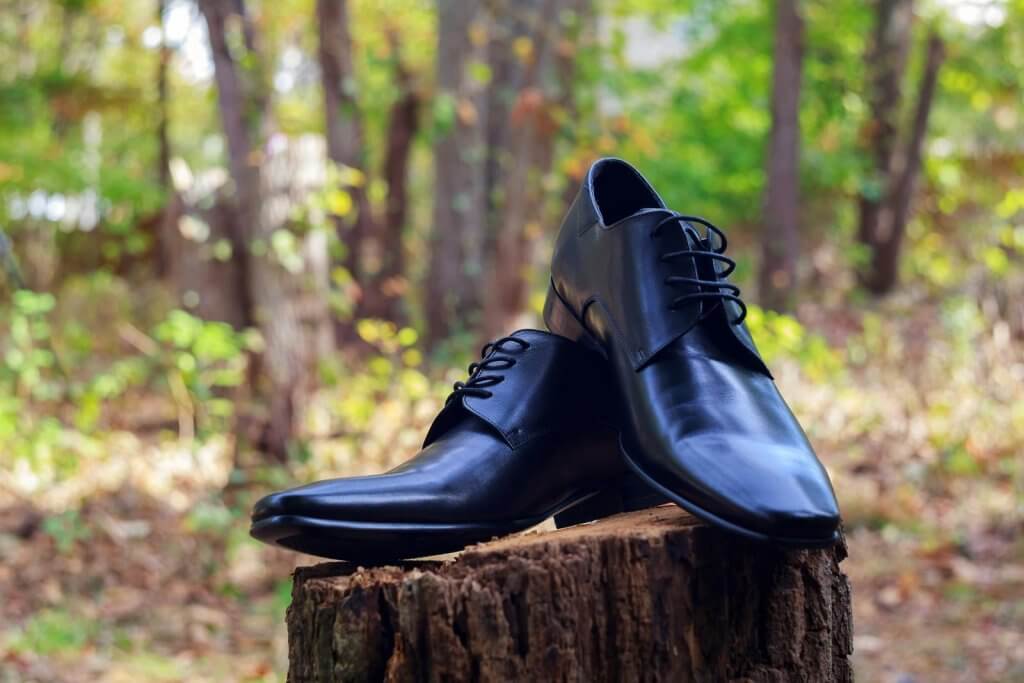
Shoes are assembled from more than one material: an upper may combine textile, leather, suede, coatings and trim, with adhesives, cushioning and a separate sole. Care should match that construction. This guide covers inspection, ordinary soil removal and decisions about persistent marks or odor without recommending peroxide sprays or a homemade whitening paste.
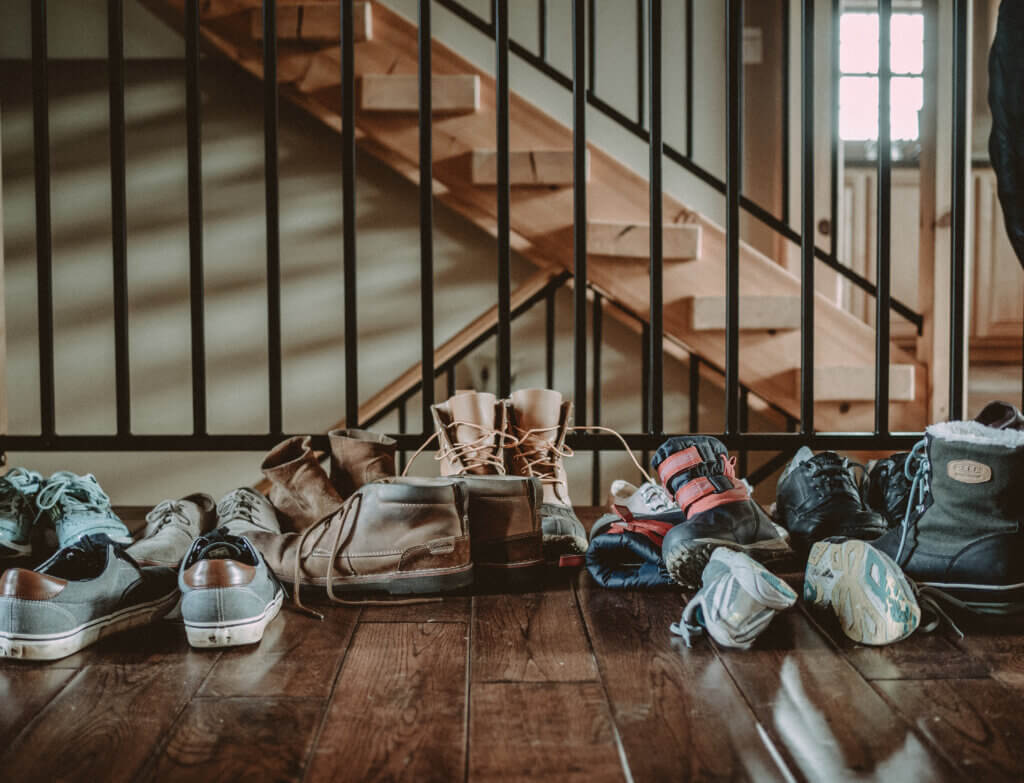
Identify the Pair and Its Materials
Find the model’s care instructions before using a cleaner. Check whether laces and insoles are intended to be removed and whether decorative finishes need special handling. Do not assume that the directions for a canvas sneaker apply to a leather shoe, suede boot or knit running shoe.
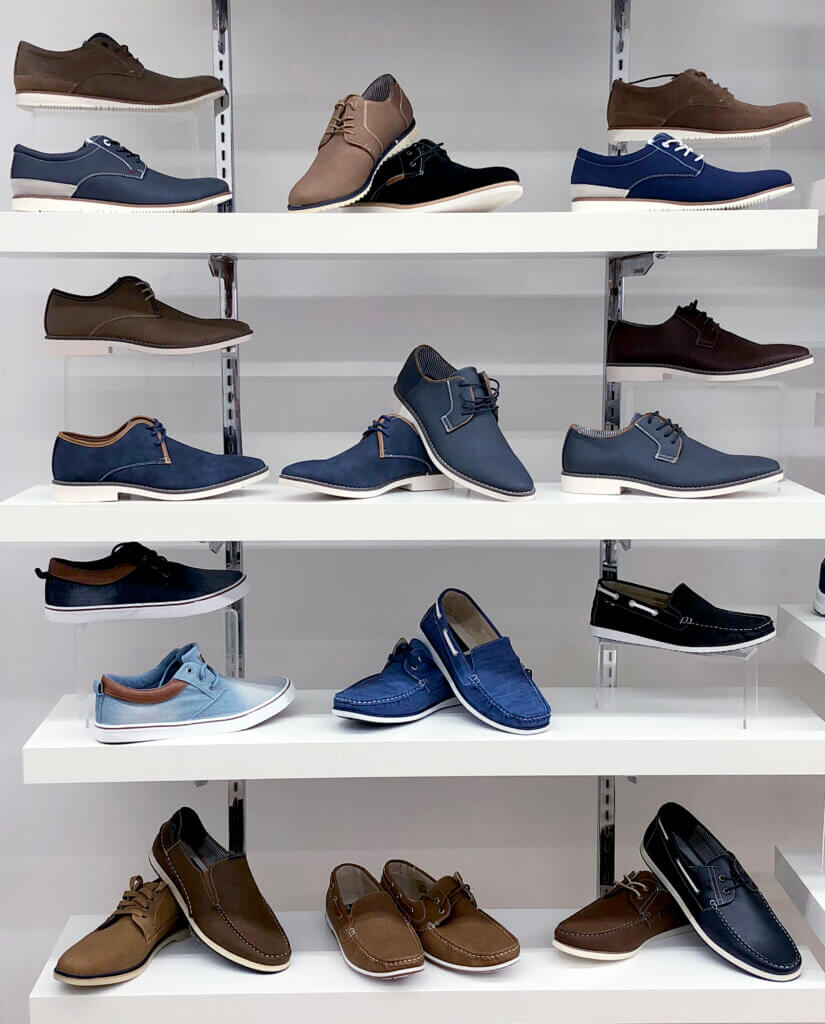
Inspect for cracked material, peeling coatings, loose stitching or separating soles. Cleaning will not repair those defects. A shoe-care or repair professional can help determine whether the item needs repair rather than stronger treatment.
Canvas, Mesh and Knit Uppers
Follow the manufacturer’s method for removing loose dirt and using a suitable finished cleaner. Avoid forcing a stiff brush into delicate knit or mesh. The strength of the upper does not establish that its adhesives, lining or cushioning tolerate the same treatment.
Do not assume the shoes are machine-washable because the upper looks like ordinary fabric. Check the exact model’s instructions, including drying requirements. A test in one area does not establish that the whole assembled shoe can be soaked.
Leather and Coated Leather
Identify the leather finish and use the care product the shoe maker recommends. A stain-removal product can affect color, coating or surface texture. Do not apply a peroxide-and-baking-soda paste or try to bleach a mark into matching the surrounding leather.
New Balance’s care guidance separates suede and leather from its general cleaning method and directs owners to appropriate specialty cleaners. That is a useful example of material-specific care, not a universal procedure for every brand or finish.
Suede and Nubuck
These textured surfaces need their own tools and method. Consult the maker’s instructions before brushing or treating a mark, and do not saturate the material with a household chemical. Changing the nap or creating a water mark can make the appearance worse even if some dirt is removed.
For a valuable, unfamiliar or badly stained pair, seek specialist advice before experimenting. Tell the cleaner which products have already touched the material.
Plan a Cleaning Session

Set out the care instructions, permitted tools and selected finished product. Keep components organized and work away from children and pets. The photograph illustrates shoe cleaning; the liquid shown is not identified as peroxide and is not a product recommendation.
Follow the product’s use limits, protective-equipment instructions and required removal or rinsing steps. Do not add another cleaner or repeat increasingly strong treatments when a mark remains. Stop if color transfers, a coating becomes tacky or a component begins to separate.
Drying and Storage
Follow the manufacturer’s drying instructions and allow the process to finish before normal use or storage. Direct heat, a dryer or intense sun can be unsuitable for some materials. Avoid sealing damp shoes away or assuming the outside is dry enough to describe the whole lining.
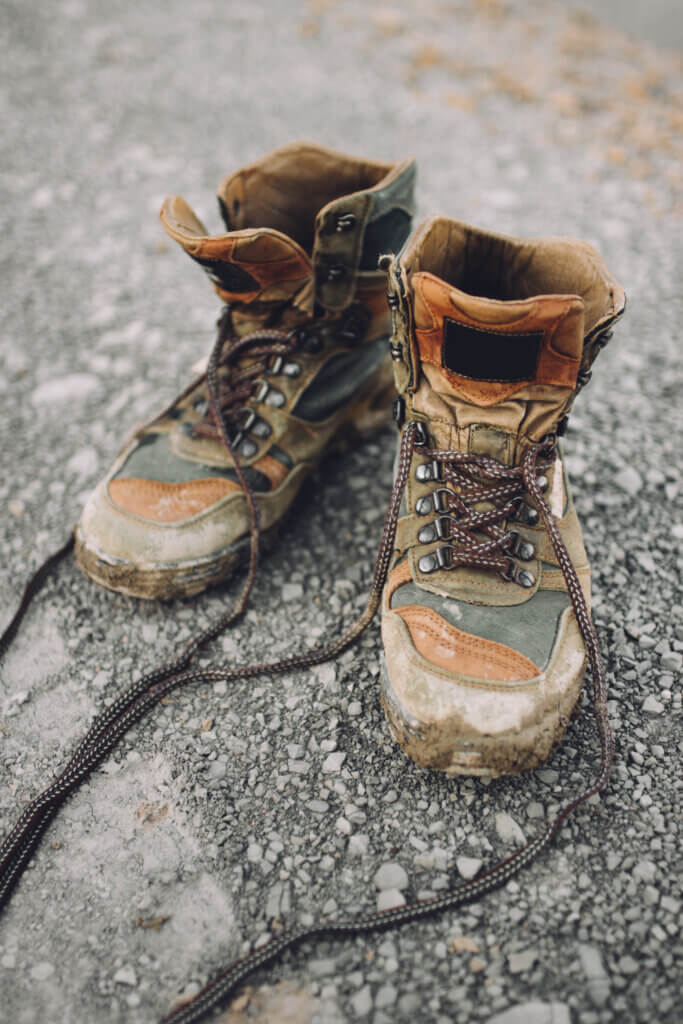
Keep ordinary wear, scuffs and material aging separate from dirt. A worn pair may not return to a new appearance through cleaning. Repair or replacement can be more appropriate than trying to chemically remove every mark.
Persistent Odor Is Not a Disinfection Test
Review moisture, drying and the care of removable components under their instructions. A decrease in odor does not establish bacterial control, and a chemical spray is not a treatment for a foot or skin condition. Seek appropriate medical advice for pain, rash or a persistent health concern.
The historical odor-control paper cited in an earlier version is retained as background reading, not as evidence of footwear compatibility or a validated household disinfection method. No experimental treatment is reproduced here.
Bleaching Chemistry Is Not a Safety Guarantee
Hydrogen peroxide is an oxidizer and can alter colored substances. That does not mean it distinguishes a stain from a shoe’s dyes or decorative finish. Bubbling does not prove cleaning performance, and decomposition into water and oxygen does not establish harmlessness.
Do not spray bulk peroxide inside shoes, apply it to feet or combine it with other chemicals. Follow the exact product label and SDS for handling and exposure response. Material-care choices should come from the actual shoe and product instructions, not a promise that peroxide can safely whiten, deodorize and disinfect every pair.
