
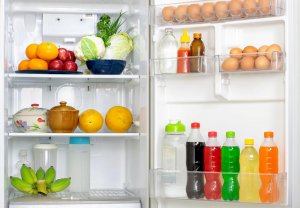
Refrigerator Cleaning: Food Storage and Material-Care Limits
Care for refrigerator shelves, liners, and seals while protecting food storage. Distinguish residue from corrosion or damage without homemade chemical cleaners.
Care for refrigerator shelves, liners, and seals while protecting food storage. Distinguish residue from corrosion or damage without homemade chemical cleaners.

Car stains and material care Identify whether a mark is on paint, glass, trim, upholstery, or a removable mat before choosing a cleaning method. Check
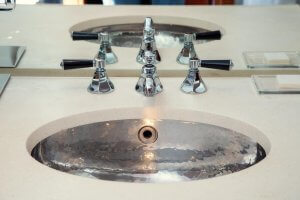
Removing a stain from a sink starts with identifying the sink material and the type of stain. A cleaner suitable for one finish may damage

Quartz countertops, mineral specimens, and jewelry need different care. Check the actual material and finish rather than assuming peroxide is universally suitable.
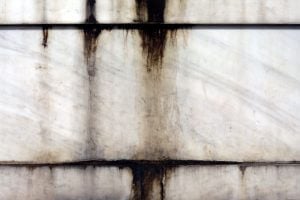
Marble stains require a cleaning approach suited to the stone, its finish, and any sealer. This page discusses product selection and nonmedical handling considerations; it

Prepare fresh produce with running water, clean equipment and appropriate storage. Do not use homemade peroxide washes or treat food grade as permission to eat it.

Match toilet care to the bowl, seat, seals, and tank components. Use product-specific directions rather than homemade peroxide treatments or sterilization claims.

Inspect glass water-pipe components and follow product-specific care instructions. Avoid peroxide soaking recipes and unsupported disinfection or health promises.

Mold cleanup starts with the moisture source and the affected material. Review product directions, avoid chemical mixtures and seek qualified help for problems that require professional assessment.
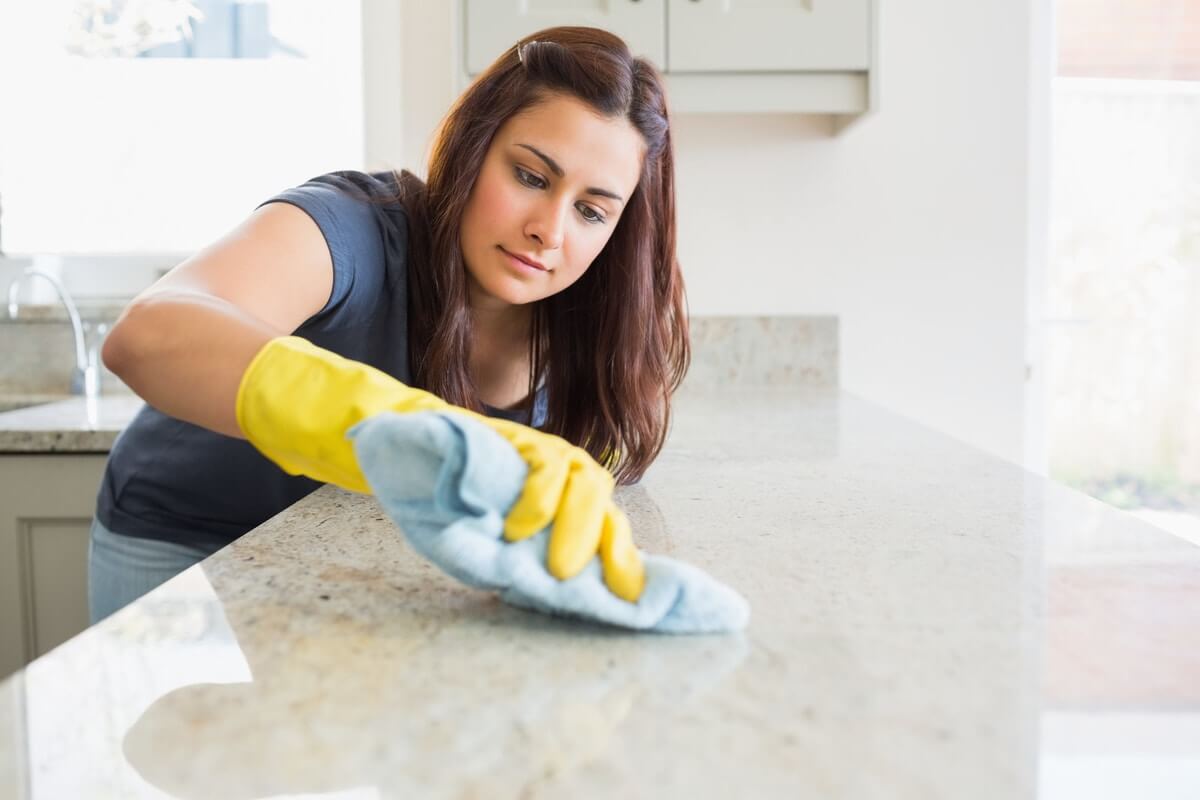
A coffee mark on washable fabric, a greasy splash on a countertop, and a dull patch on stone are different cleaning problems. There is no