
Hydrogen peroxide is one of those substances that seem harmless at first glance. It’s clear, it looks like water, and you might even have a small bottle of it in your medicine cabinet.
But when used in higher concentrations, it can be far more reactive than most people realize. So, is hydrogen peroxide corrosive? The answer is yes. Under the right conditions, it absolutely can cause corrosion.
Understanding how and why it becomes corrosive can help you handle it safely, whether you’re using it for cleaning at home or working with stronger solutions in an industrial setting.
What Hydrogen Peroxide Really Is
Chemically speaking, hydrogen peroxide (H₂O₂) is water with one extra oxygen atom. That extra atom gives it its oxidizing power, which allows it to disinfect, whiten, and deodorize. It’s a simple molecule, but a very reactive one.
When hydrogen peroxide breaks down, it releases oxygen and turns back into water without leaving behind harmful residues. That’s part of what makes it so environmentally friendly. However, that same reactivity can make it corrosive at higher concentrations, since it aggressively reacts with metals and organic materials.
The bottle of 3% hydrogen peroxide you find in drugstores is fairly gentle, but when the concentration rises to 30%, 35%, or higher, it becomes much stronger and potentially hazardous.
Why Concentration Changes Everything
When hydrogen peroxide reacts, it releases oxygen in a process called oxidation. This reaction can break down organic material and metals. This reactivity is what makes it such an effective cleaner, but also what makes it potentially dangerous if handled carelessly.
The strength of hydrogen peroxide determines how reactive, and therefore how corrosive, it becomes. So when people ask “Is hydrogen peroxide corrosive?”, the answer depends entirely on the concentration and what you’re using it on. Here’s how it generally breaks down:
- 3% solution: Used for household cleaning and first aid. Safe to touch briefly, but can cause mild irritation on sensitive skin.
- 6–12%: Found in some beauty and cosmetic products. Extended contact can cause burns or discoloration.
- 30–35% (food grade): Used in industrial cleaning, packaging sterilization, and hydroponics. Strongly corrosive to skin, eyes, and many materials.
- 50% and above: Used in industrial and chemical manufacturing. Extremely corrosive and must be handled with protective gear and specialized equipment.
How Corrosion Actually Happens
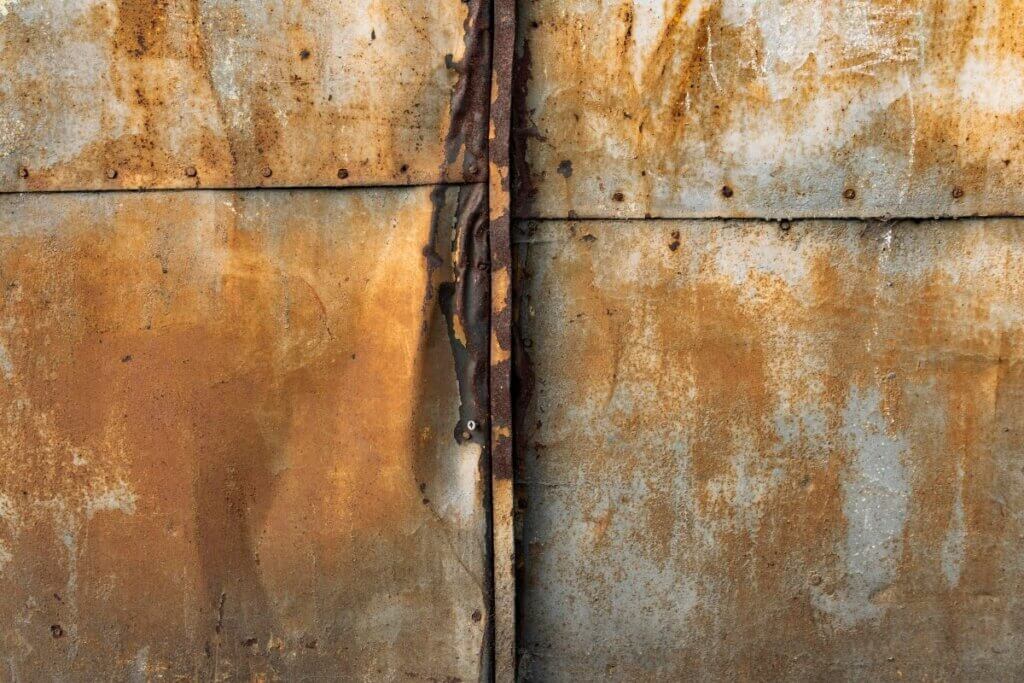
Hydrogen peroxide’s corrosive power comes from its tendency to oxidize whatever it touches. Oxidation breaks chemical bonds, and when it happens to metal, it leads to corrosion. Iron, copper, and aluminum are particularly vulnerable. Over time, hydrogen peroxide can cause pitting or surface degradation, especially if the metal is unprotected or exposed repeatedly.
Even stainless steel can be affected if it’s not properly finished or maintained. This is why industries that use concentrated hydrogen peroxide often rely on corrosion-resistant materials like glass, Teflon, and certain types of plastic for storage and transport.
Organic materials aren’t immune either. Concentrated hydrogen peroxide will bleach and weaken fabrics, decompose organic matter, and burn skin or hair on contact.
Recognizing the Risks
Hydrogen peroxide might look harmless, but exposure to high concentrations can cause serious injuries or material damage. Here are some of the main hazards:
- Skin contact: Can cause whitening, irritation, or burns. Prolonged exposure to concentrations above 10% may result in blistering.
- Eye contact: Even a small splash can cause severe pain and potential vision damage.
- Inhalation: Vapors or aerosols may irritate the nose, throat, or lungs.
- Material degradation: High-strength peroxide corrodes metals and can damage painted or coated surfaces.
- Storage pressure: Concentrated hydrogen peroxide slowly releases oxygen as it decomposes. If sealed tightly, containers can pressurize and burst.
These risks highlight why safety measures and proper handling are non-negotiable, especially for industrial users.
Safe Handling and Storage Tips
If you work with hydrogen peroxide regularly, you can handle it safely with a few precautions. The goal is to prevent contact, control exposure, and avoid unwanted reactions.
- Use protective gear. Gloves, goggles, and long sleeves should always be worn. For stronger concentrations, add a face shield and chemical apron.
- Store in compatible containers. Use vented, opaque containers made of high-density polyethylene (HDPE) or glass. Avoid metals like aluminum, copper, or brass, which react with hydrogen peroxide.
- Keep it cool and dark. Store in a cool, dry place, away from direct sunlight and heat sources. Light accelerates decomposition, which can build pressure inside the container.
- Handle with clean equipment. Even trace contaminants can trigger unwanted reactions. Always use clean, dry tools when transferring or diluting hydrogen peroxide.
- Dilute correctly. When mixing, pour hydrogen peroxide into water, not the other way around. This prevents splashing and heat buildup.
- Label everything clearly. Mark the concentration, preparation date, and handling instructions on the container. Hydrogen peroxide looks like water, so clear labeling prevents dangerous mistakes.
Household vs. Industrial Safety
At home, 3% hydrogen peroxide is safe for disinfecting surfaces, cleaning small wounds, removing rust stains, or cleaning and whitening laundry. It’s mild enough that most people handle it without issue, though it can still irritate sensitive skin.
In industrial environments, things are different. A 35% or 50% solution requires training, safety data sheets, and protective equipment. It can corrode metal piping, degrade rubber seals, and cause burns with brief exposure. That’s why industries rely on strict storage protocols and corrosion-resistant systems.
Despite these precautions, hydrogen peroxide remains a preferred cleaner and oxidizer in many sectors. It’s environmentally safe when used correctly, breaking down into oxygen and water after use. The challenge is ensuring it’s handled properly throughout its lifecycle.

What Materials Can Resist Hydrogen Peroxide
Some materials stand up to hydrogen peroxide better than others. If you’re setting up storage or handling systems, here’s a quick overview:
- Resistant materials: HDPE, glass, Teflon (PTFE), ceramic, and certain fluoropolymer coatings.
- Vulnerable materials: Iron, copper, brass, zinc, and aluminum.
- Conditional materials: Stainless steel can work if passivated and kept clean, but long-term exposure may still cause damage.
For most commercial and industrial setups, plastic containers or lined tanks are the safest option. They resist corrosion while maintaining structural integrity over time.
Handling Spills and Accidents
Even small accidents should be treated seriously. If a spill happens, the right response can prevent injury or equipment damage.
- Clear the area. Move people away from the spill, especially if it’s concentrated peroxide.
- Ventilate. Open windows or use fans to disperse any vapors.
- Wear protection. Before cleaning, put on gloves and goggles.
- Dilute the spill. Flood the area with large amounts of water to neutralize and wash away the peroxide.
- Absorb and dispose. Use inert materials like vermiculite to soak up liquid, and place them in a chemical waste container.
Avoid using paper towels or cloths, as they can react with concentrated peroxide. Always follow local regulations for chemical disposal.
Why It’s Still Widely Used
Hydrogen peroxide remains one of the most practical and environmentally responsible chemicals available. It disinfects without leaving toxins, breaks down easily, and supports sustainable processes in manufacturing, agriculture, and water treatment.
Its corrosive potential isn’t a reason to avoid it. It’s a reason to handle it with care. The same properties that make it reactive also make it highly effective. When used correctly, hydrogen peroxide is both safe and efficient.
Safe Chemistry Starts with Knowledge: Brought to You by PureChemPros
So, is hydrogen peroxide corrosive? It can be, especially at higher concentrations. But with proper safety measures, it’s one of the cleanest and most reliable chemicals available for disinfection, oxidation, and industrial cleaning. Respecting its strength is the key to using it safely.
For high-quality hydrogen peroxide and expert guidance on handling, PureChemPros provides dependable solutions trusted across industries. With the right preparation, hydrogen peroxide becomes a powerful tool for cleaner, safer processes everywhere.Reach out and find the right hydrogen peroxide solution for your cleaning needs!
