

Hydrogen peroxide is one of those substances that shows up everywhere, like under your sink, in first-aid kits, in greenhouses, and even in factories. Despite how common it is, many people aren’t sure how to handle it safely.
Knowing how to dilute hydrogen peroxide properly is important whether you’re disinfecting surfaces in your home, working on a science project, or using it for professional cleaning.
The good news? Once you understand the basic principles, the process becomes simple and repeatable. It’s mostly about patience, accuracy, and respect for what’s in the bottle.
Understanding Hydrogen Peroxide
Hydrogen peroxide (H₂O₂) looks just like water, but that extra oxygen atom gives it remarkable power as an oxidizer. It breaks down easily into water and oxygen, which makes it useful for cleaning and disinfecting without leaving chemical residues.
The strength of hydrogen peroxide is measured by concentration. Most household versions are 3%, while industrial and food-grade solutions range from 30% to 50%. Anything higher needs careful handling. Those higher concentrations are strong enough to burn skin, bleach fabrics, and corrode some materials, which is why dilution is essential before using them for everyday tasks.
If you’ve ever noticed that fizzing sound when peroxide hits a scrape, that’s oxygen being released and doing its job. But for that to happen safely and effectively, the concentration must be right for the purpose.
Why Dilution Makes a Difference
Hydrogen peroxide’s effectiveness depends on how concentrated it is. Each task calls for a different strength:
- 3% hydrogen peroxide for general cleaning, wound care, and household use
- 6–10% hydrogen peroxide for cosmetic purposes like hair lightening or stain removal
- 30–35% hydrogen peroxide for food-grade sanitizing, hydroponics, or industrial applications
- 50%+ hydrogen peroxide for large-scale chemical manufacturing and water treatment
Using the wrong concentration can cause irritation, surface damage, or reduced effectiveness. Diluting it correctly ensures that you’re using just enough power for the job while keeping it safe to handle.
Staying Safe Before You Start
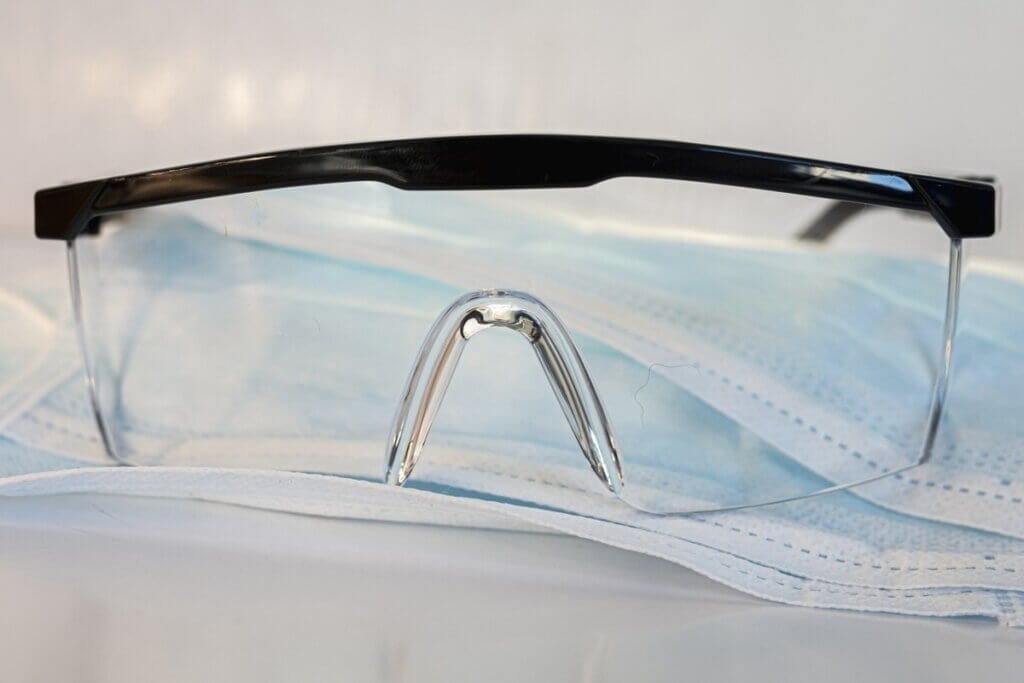
Before working with concentrated hydrogen peroxide, take a few precautions. Wear gloves, safety glasses, and old clothing you don’t mind staining. Always work in a space with good airflow, and keep children or pets away from your setup area.
Hydrogen peroxide reacts strongly with some materials, especially metals. Use glass, plastic, or ceramic containers labeled as chemical-resistant. Never use containers that have held other cleaning products, and avoid mixing hydrogen peroxide with substances like vinegar or ammonia, as those combinations can release dangerous gases.
The Basic Formula
Every dilution process starts with one simple formula:
C₁ × V₁ = C₂ × V₂
Here’s what those symbols mean:
- C₁ = concentration you have
- V₁ = volume you’ll use from that concentrate
- C₂ = concentration you want to end up with
- V₂ = total final volume of your mixture
For example, if you’re working with 35% hydrogen peroxide and want 1 liter of a 3% solution, the equation looks like this:
V₁ = (3 × 1000) ÷ 35 = 85.7 mL
You’d measure 85.7 mL of 35% hydrogen peroxide and add 914.3 mL of distilled water to make 1000 mL of 3%. Simple math, but precision is important.
Graduated cylinders or measuring cups marked in milliliters are ideal for this. Avoid guessing by sight since small errors can cause big differences in concentration.
How to Dilute Hydrogen Peroxide: Step by Step
To dilute hydrogen peroxide safely, follow these instructions:
- Prepare your area
Choose a stable surface with good ventilation. Wipe everything down to remove dust or debris, and keep other chemicals out of reach. - Gather materials
You’ll need:- Concentrated hydrogen peroxide
- Distilled water (tap water can contain minerals that degrade peroxide)
- Two measuring containers
- A funnel and mixing jar
- Safety gear (gloves, goggles, and long sleeves)
- Measure carefully
Use the formula mentioned above to calculate and measure the right amount of concentrated hydrogen peroxide. Pour slowly and steadily. - Add water first when possible
When mixing, it’s generally safer to pour hydrogen peroxide into water rather than the other way around. This reduces the risk of splashing or heat buildup from sudden reactions. - Combine gently
Stir or swirl to mix. Avoid shaking closed containers, as trapped oxygen gas can build pressure inside and cause leaks or bursts. - Label and store
Write down the concentration, date, and intended use. Store the solution in a cool, dark area away from sunlight, which breaks peroxide down faster.
Following these steps helps you handle hydrogen peroxide safely, accurately, and with consistency.
Everyday Uses for Diluted Hydrogen Peroxide
Hydrogen peroxide has hundreds of uses, and each relies on the same principle: the right concentration for the right job. Once you’ve mixed it properly, it’s one of the most adaptable products around. Here are some of the most practical uses:
Household Cleaning
A 3% solution makes a great all-purpose disinfectant. Spray it on countertops, cutting boards, or doorknobs, and let it sit for a minute before wiping it clean.
Gardening
Plants love oxygenated water. A tablespoon of 3% peroxide mixed with a cup of water helps prevent root rot and promotes healthy growth.
Laundry
It’s an excellent alternative to chlorine bleach. Add about half a cup of 3% peroxide to white laundry for brighter results and fresher fabric.
Personal Care
For mouth rinses or wound cleaning, always stick to low concentrations and consult a medical professional if you’re unsure. High-strength peroxide should never be used directly on skin or tissue.
A Few Tips for Better Results
While hydrogen peroxide is simple to use once you get the hang of the dilution process, some additional precautions can make the substance more effective.
- Always use distilled water. Tap water can shorten peroxide’s shelf life.
- Keep it in a dark bottle. Light breaks down hydrogen peroxide into plain water.
- Don’t store it for too long. Over time, it naturally loses strength, so make smaller batches if possible.
- Check for signs of degradation. If it stops bubbling when applied, it has probably become inactive.
Hydrogen peroxide isn’t a “set it and forget it” chemical; it benefits from regular attention and proper care.
Getting Comfortable with the Process
Once you’ve diluted hydrogen peroxide a few times, it becomes second nature. You start to get a feel for how the solution behaves and what it looks like when fresh. Professionals in cleaning, food processing, and lab environments follow the same approach: accuracy, consistency, and respect for the chemical.
Understanding how to dilute hydrogen peroxide isn’t just about safety, but also about confidence. When you know what’s in your bottle and how it’s mixed, you can use it with precision and peace of mind.
The Importance of Water Quality
Distilled water is your best friend here. Minerals, metals, or impurities in regular water can react with hydrogen peroxide and reduce its effectiveness. Over time, that means weaker results and faster degradation. If you’re working in large batches, consider deionized or reverse-osmosis water. The cleaner your base, the longer your peroxide solution stays stable.
Verifying the Concentration
If you need to be exact, especially for laboratory or industrial applications, peroxide test strips are an easy way to confirm concentration. They give you a quick readout of the strength, so you can adjust if needed. It’s a small extra step that can make your results far more reliable.
Precision Meets Practicality: Brought to You by PureChemPros
Learning how to dilute hydrogen peroxide properly is about more than following instructions. It’s about understanding how a simple chemical can become a powerful, adaptable tool. Whether you’re disinfecting a workspace, maintaining hydroponic systems, or cleaning at home, the right dilution makes all the difference.
For dependable products and expert-grade quality, PureChemPros supplies hydrogen peroxide trusted by professionals across industries. With the right concentration and careful handling, you get safe, effective results every time.Contact us today to learn more about our ready-made hydrogen peroxide solutions of various concentrations!
