
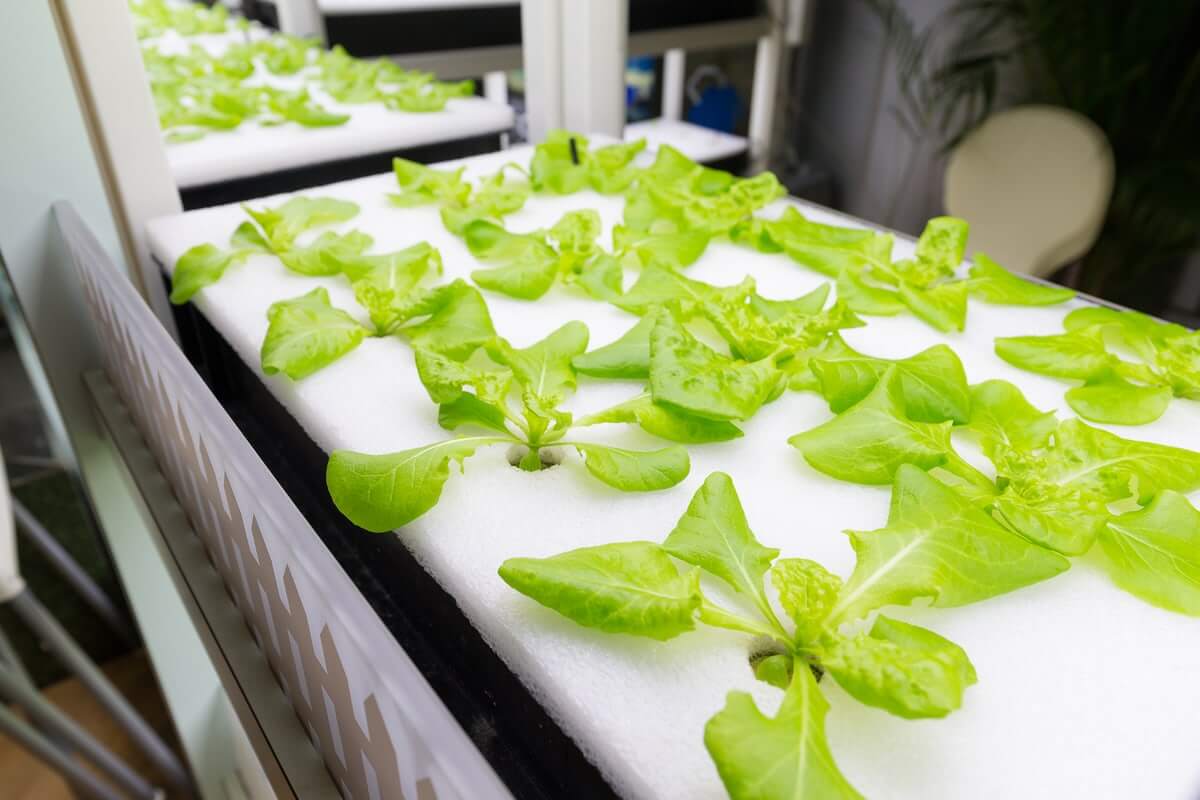
Hydroponic equipment care starts with understanding the system and the task. Removing visible debris, servicing a pump and addressing a suspected plant disease are different jobs. This article does not offer a peroxide sterilization method or a chemical recipe for flushing a growing system.
Define the Maintenance Job
List the reservoir, channels, tubing, supports, lights and electrical components. Note their materials and model numbers. Keep the supplier’s cleaning and servicing instructions with the system so a method intended for one component is not assumed suitable for all the others.
Distinguish work on an empty system between crops from maintenance around growing plants. Before starting, establish how plants and nutrient solution will be managed, what can be disconnected and who is responsible for restarting the equipment.
Cleaning Is Not a Sterility Guarantee
EPA distinguishes ordinary surface cleaning from sanitizing and disinfecting. A surface that looks clean has not thereby been demonstrated sterile. Do not infer an antimicrobial result from bubbling, a product’s concentration or the words food grade.
If a qualified adviser identifies a need for a pesticide product, use only one labeled for the particular task and site, following its exact directions. Do not substitute bulk peroxide for a named product or adapt a surface-use instruction into a treatment of roots or circulating nutrient solution.
Plan Around Water and Electrical Equipment
Follow the manufacturer’s shutdown and isolation instructions before work. Do not spray liquid toward electrical connections or improvise repairs. Have damaged wiring, pumps or controls assessed by an appropriately qualified person.
Use tools and methods compatible with each component. Do not combine cleaners, peroxide, fertilizers or other chemicals. Resolve unclear instructions with the manufacturer before proceeding, rather than increasing concentration or running a stronger mixture through the system.
Keep the Original Chemical-Mixing Warning
The Washington State Department of Health guidance cited in the original article warns that bleach reacts dangerously with several other cleaning products, including peroxide. Do not combine products or apply one over another product’s residue. Check the exact label for protective equipment, ventilation, handling and disposal instructions.
Investigate Deposits and Recurring Problems
Record where deposits or blockages appear and whether they recur after routine maintenance. Ask the system supplier whether water testing, nutrient-management review or replacement of a worn component is needed. Appearance alone does not identify a deposit or justify an acid or peroxide flush.
Keep a dated maintenance log and check the manufacturer’s restart procedure. For unexplained plant decline, consult an extension horticulturist separately; equipment cleaning is not a diagnosis or a promise of disease-free growth.
