
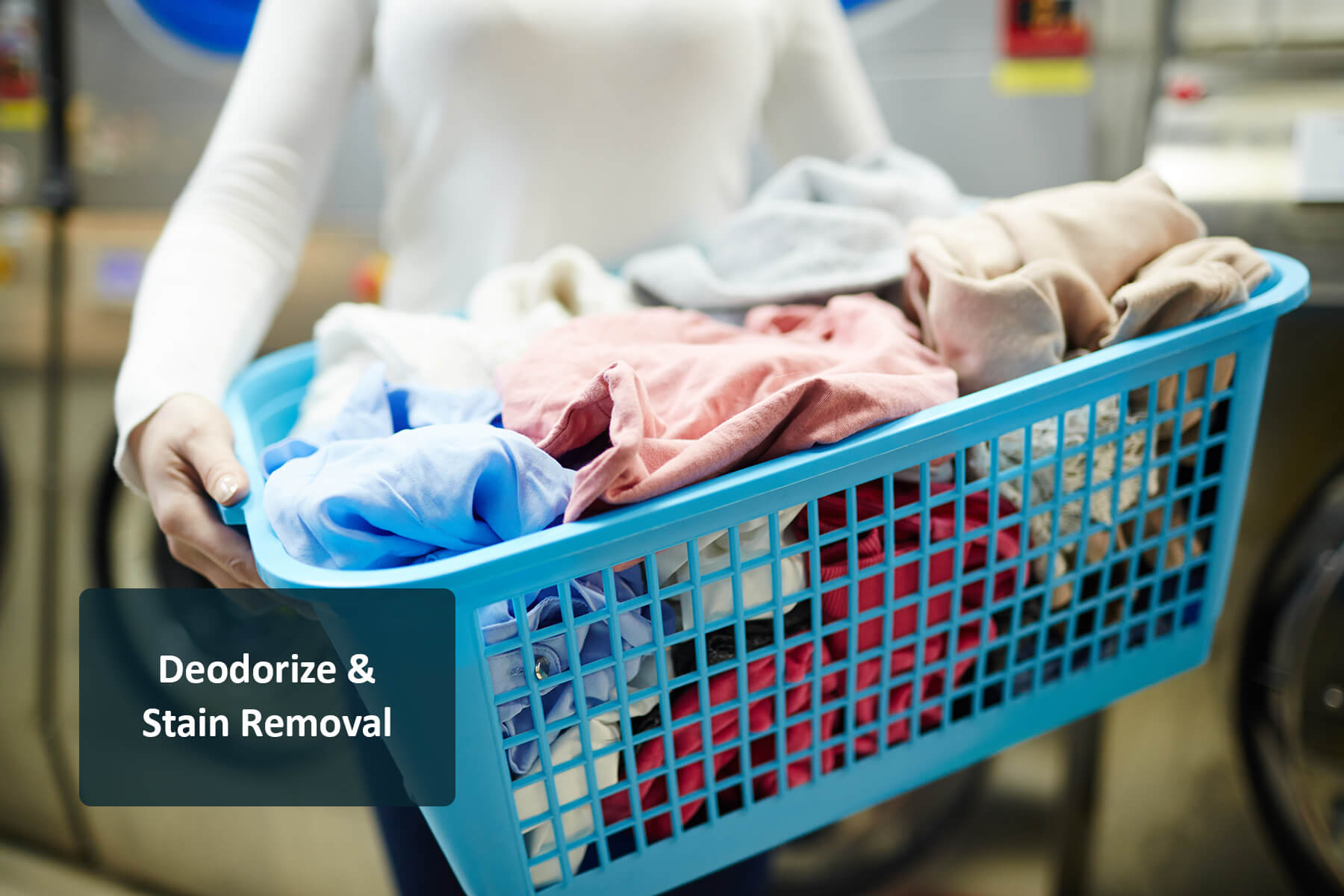
Hydrogen peroxide for laundry and stains
How to mix a stain spray, a soak for whites and a washer booster from 3%, 6%, 12% or 35%, plus which fabrics to skip.
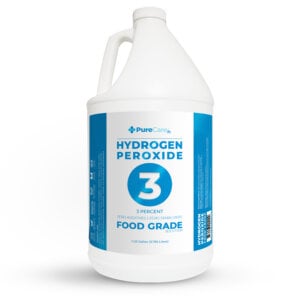
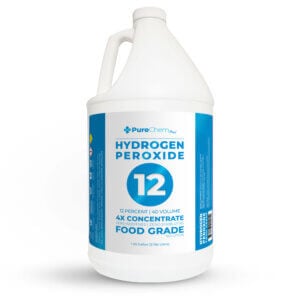
Hydrogen peroxide is the same oxygen-based ingredient found in many “color-safe” and oxygen bleach products. Plain 3% works as a stain pre-treat and as a booster for white loads, and if you buy 12% or 35%, a small amount goes a long way: a washer booster is about ¼ cup of 12% or 1¼ tablespoons of 35%. Use the calculator for sprays and soaks, then check the fabric guide before you start.
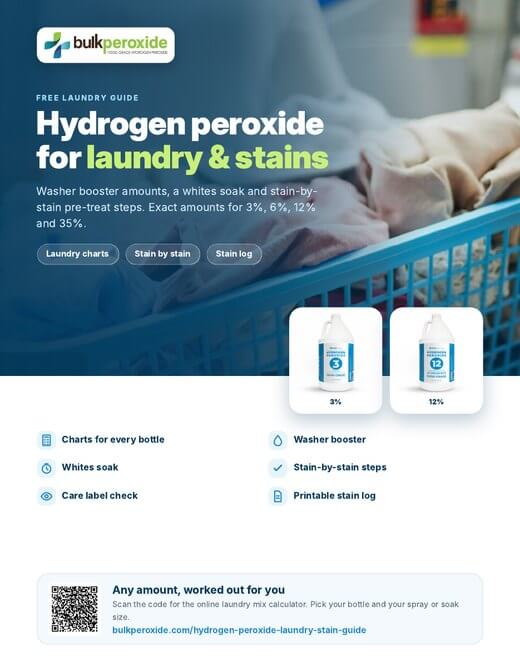
Free PDF guide
Take the laundry & stains guide with you
- Washer & soak charts
- Stain-by-stain steps
- Printable stain log
5 pages · by email (and text, if you like)
Check your inbox
We sent a download link to . It can take a minute to arrive. Don't see the email? Check your spam or promotions folder.
Laundry Chart
A washer booster, a 16 oz stain spray and a whites soak, for each strength.
| Your peroxide | Washer booster | Stain spray (3%) 16 oz bottle | Whites soak |
|---|---|---|---|
| 3% | 1 cupper load | Use as is | 1 cupper gallon of water |
| 6% | ½ cupper load | 8 fl oz (1 cup)+ water to 16 oz | ½ cupper gallon of water |
| 12% | ¼ cupper load | ½ cup+ water to 16 oz | ¼ cupper gallon of water |
| 35% | 1¼ tbspper load | 2½ tbsp+ water to 16 oz | 1¼ tbspper gallon of water |
The washer booster equals 1 cup of 3%. Add concentrates to the bleach dispenser or to the drum water before the clothes, never straight onto fabric.
Three Ways to Use It
Washer booster
For white loads, add the equivalent of 1 cup of 3% to the bleach dispenser, or to the water before you add clothes. Then wash as usual.
Stain pre-treat
Spray or dab 3% on the stain, let it sit 10 to 15 minutes, then wash. For older stains, repeat once before washing.
Whites soak
Soak dingy whites in the 0.2% mix for 30 minutes to a few hours, then wash as usual. Use a plastic tub or bucket.
Stain by Stain
Blood
Rinse with cold water first (never hot), then dab with 3%. It will fizz. Blot, repeat if needed, and wash in cold water.
Grass & dirt
Pre-treat with 3%, let it sit 15 minutes, scrub gently with an old toothbrush, then wash.
Yellowed collars & pit stains
Make a paste of 3%, baking soda and a drop of dish soap. Work it in, wait 30 minutes, then wash. Whites only.
Coffee, tea & wine
Blot up what you can, rinse from the back with cold water, then apply 3% and wash once the stain lifts.
Sweat & dinginess
Soak whites in the 0.2% mix before washing. Line-drying in the sun afterward helps them look brighter.
Before the dryer
Check the stain is gone before drying. Dryer heat can set what’s left, so re-treat and rewash if needed.
Fabric Check First
Check the care label
A triangle means any bleach is fine. A triangle with diagonal lines means non-chlorine (oxygen) bleach only. A crossed-out triangle means skip it.
Test hidden spots
On colors, dab 3% on an inside seam, wait 10 minutes and blot with a white cloth. If color transfers or lightens, don’t use it on that item.
Skip these
Wool, silk, leather, and dry-clean-only items. Peroxide can damage protein fibers and fine finishes.
Safety and Handling
Never with chlorine bleach
Don’t use peroxide in the same load as chlorine bleach or mix it with ammonia or vinegar. One product at a time.
Concentrate carefully
Wear goggles and gloves when you measure 12% or 35%, and never pour concentrate straight onto fabric.
Store it safely
Keep bottles capped, cool and dark, labeled, and out of reach of children and pets.


Frequently Asked Questions
How much hydrogen peroxide do I add to a load of laundry?
About 1 cup of 3%, or the same amount of peroxide from a stronger bottle: ½ cup of 6%, ¼ cup of 12% or about 1¼ tablespoons of 35%. Add it to the bleach dispenser or the drum water, not directly onto clothes.
Will hydrogen peroxide bleach my colored clothes?
It can lighten some dyes. Test a hidden seam first and use it only on items that pass. Care labels with a triangle or a triangle with diagonal lines allow oxygen bleach.
Can I use it in a front-loader or HE washer?
Most washers have a bleach dispenser that works for 3% peroxide. Check your washer’s manual for what it allows in each dispenser.
Can I mix it with my detergent?
You can use your usual detergent in the same load. Just add the peroxide separately through the bleach dispenser or water, not into the detergent bottle.
Is it the same as oxygen bleach?
Many oxygen bleach powders release hydrogen peroxide in water, so the idea is similar. Plain peroxide just skips the powder and fragrance.
How long should I let it sit on a stain?
10 to 15 minutes for most fresh stains, up to 30 minutes with the paste for set-in stains. Don’t let it dry on the fabric.
Cleaning around the house too? See our household cleaning guide, or work out any strength with the dilution calculator.
Free PDF guide
Take the laundry & stains guide with you
- Washer & soak charts
- Stain-by-stain steps
- Printable stain log
5 pages · by email (and text, if you like)
Check your inbox
We sent a download link to . It can take a minute to arrive. Don't see the email? Check your spam or promotions folder.
Disclaimer
Information only, used at your own risk. This page and calculator share general information about using hydrogen peroxide for laundry and stains. Results are estimates based on what you enter. Fabrics and dyes vary, so follow care labels, test first, and follow your washer maker’s instructions. You are responsible for how you mix and use hydrogen peroxide.
No sanitizing or disinfecting claims. This page is about stains and appearance only. Hydrogen peroxide sold by Bulk Peroxide is not sold or labeled as a laundry sanitizer or disinfectant.
Handling. Concentrated hydrogen peroxide can cause serious burns to skin and eyes and can damage clothing and surfaces. Follow the product label and Safety Data Sheet, wear protective equipment, and keep it away from children and pets.
Limitation of liability. To the fullest extent permitted by law, Bulk Peroxide disclaims all warranties regarding this information and is not liable for any damages, including damage to clothing, fabrics or appliances, arising from its use.