
Hydrogen peroxide for carpet and upholstery
How people mix a spot spray and a gentle upholstery mist from 3%, 6%, 12% or 35%, how to spot test, and which fibers and fabrics to skip.
Plain 3% hydrogen peroxide is a common go-to for spots on light-colored carpet and colorfast upholstery. It’s the same oxygen-based ingredient in many “oxy” carpet spotters, without the fragrance or dyes. If you buy 12% or 35%, a little makes a lot of spray: a 16 oz spot spray takes about ½ cup of 12% or 2½ tablespoons of 35%. Always spot test first, because peroxide can lighten some dyes.
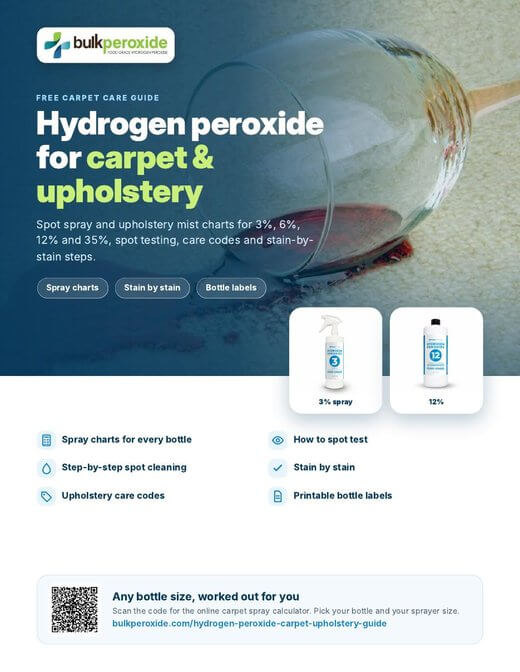
Free PDF guide
Take the carpet guide with you
- Spot spray charts
- Stain by stain
- Printable bottle labels
6 pages · by email (and text, if you like)
Check your inbox
We sent a download link to . It can take a minute to arrive. Don't see the email? Check your spam or promotions folder.
Spot Spray Chart
The two mixes people use most, for 16 oz and 32 oz spray bottles.
| Your peroxide | Carpet spot spray 3% 16 oz bottle | Carpet spot spray 3% 32 oz bottle | Upholstery mist 1.5% 16 oz bottle |
|---|---|---|---|
| 3% | Use as is | Use as is | 1 cup+ water to 16 oz |
| 6% | 1 cup+ water to 16 oz | 2 cups+ water to 32 oz | ½ cup+ water to 16 oz |
| 12% | ½ cup+ water to 16 oz | 1 cup+ water to 32 oz | 3¾ tbsp+ water to 16 oz |
| 35% | 2½ tbsp+ water to 16 oz | ¼ cup+ water to 32 oz | 1¼ tbsp+ water to 16 oz |
Measure the peroxide into the bottle, then fill the rest with distilled water. Use a clean, peroxide-compatible opaque bottle and store it cool and away from light. Clean distilled or deionized water helps preserve strength; there is no automatic 30-day expiration after dilution. Tap-water impurities can accelerate breakdown. Actual storage life depends on water purity, the container and handling; verify concentration when strength matters.
Spot Test First
Find a hidden spot
Inside a closet, under furniture or a seam on the back of a cushion. Dab a little of your mix on with a white cloth.
Wait and blot
Give it 10 minutes, then blot with a clean white cloth. If any color moves to the cloth or the spot looks lighter, don’t use peroxide there.
Let it dry
Check again once it’s fully dry, in daylight. Some lightening only shows after drying.
How People Spot-Clean With It
- Blot, don’t rub. Lift as much of the spill as you can with a dry white cloth or paper towel, working from the outside in.
- Spot test. Use the steps above on a hidden area first.
- Mist lightly. Spray just enough to dampen the spot. Soaking carpet can wet the backing and pad.
- Wait 5 to 10 minutes. Light fizzing on some spots is normal.
- Blot again. Press with a clean cloth, then dab with a cloth dampened in plain water to rinse.
- Dry it. Press with a dry towel and let it air dry. Repeat once if the spot is still there.
Stain by Stain
Red wine & juice
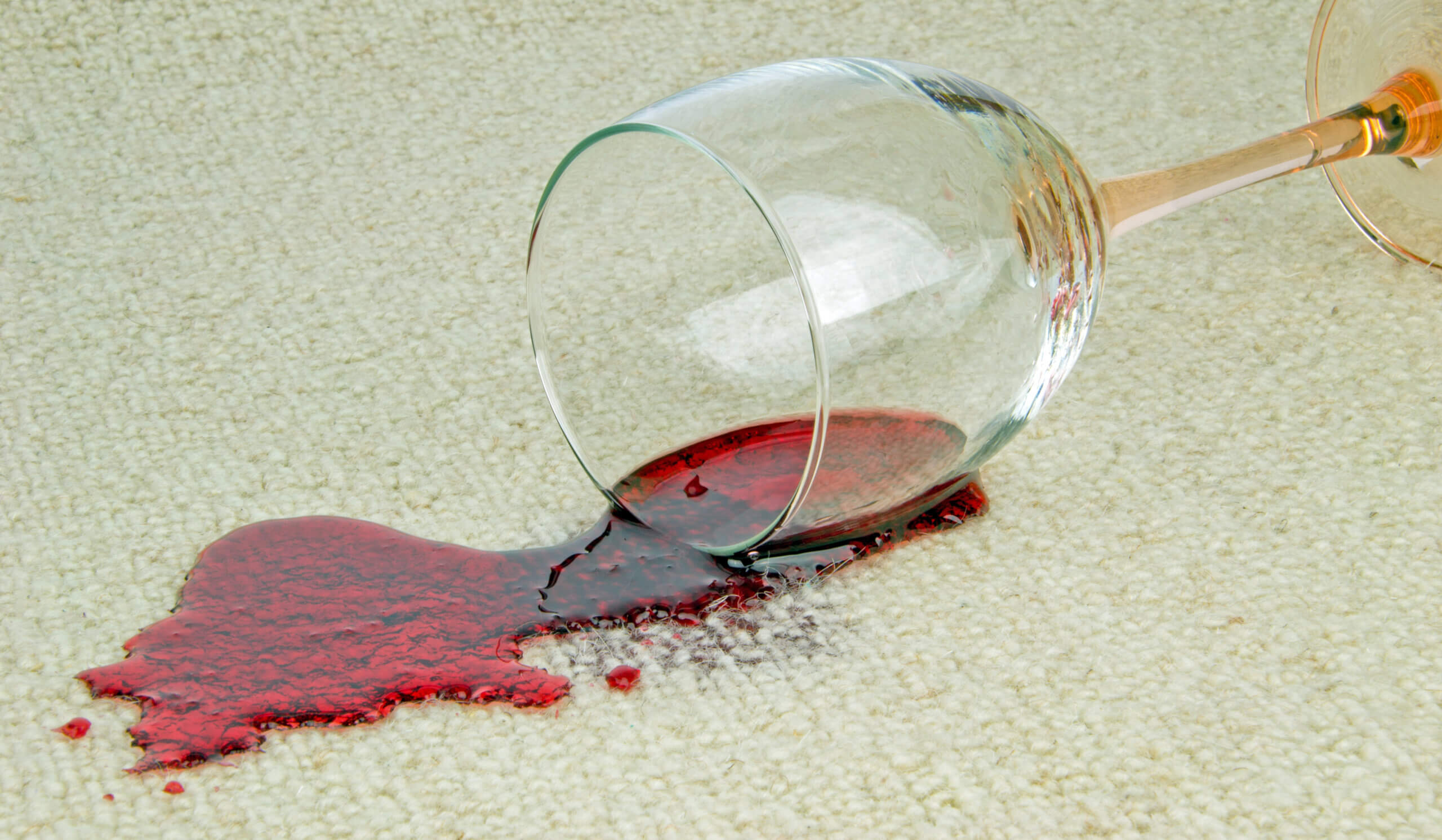
Blot fast, rinse with a little cold water, blot, then mist with 3% and blot again after 10 minutes.
Coffee & tea
Blot, rinse with cold water, then treat with 3%. Older coffee spots may need a second round.
Pet accidents
Blot up what you can, rinse with plain water, then spot-treat with 3% and blot dry. Ventilate the room.
Blood
Cold water only, never hot. Blot, then dab with 3%. It will fizz. Blot and repeat.
Mud & grass
Let mud dry and vacuum it up first, then treat what’s left with 3%.
Set-in spots
A paste of 3% and a little baking soda, left 15 minutes and then blotted and rinsed, on light carpet only.
Upholstery Care Codes
W or W/S
Water-based cleaners are allowed. These are the fabrics people use the gentle 1.5% mist on, after a spot test.
S only
Solvent cleaning only. Skip water-based mixes, including peroxide.
X
Vacuum or brush only. No liquids at all.
What to Skip
Wool, silk & natural fibers
Peroxide can weaken and lighten protein fibers like wool and silk, and some jute and sisal.
Dark or bright colors
Dyed and deep-colored carpet and fabric are the most likely to lighten. Test, or skip it.
Machines & warranties
Don’t add peroxide to a carpet cleaning machine unless its maker says you can. Check your carpet warranty too.
Safety and Storage
Never mix chemicals
Don’t combine peroxide with bleach, ammonia, vinegar or other spotters, and don’t pour it into another cleaner’s bottle.
Use an opaque bottle
Light breaks peroxide down. Label the bottle with the strength and date.
Ventilate
Open a window or run a fan while you work and while the spot dries.
Handle concentrate carefully
Wear goggles and gloves when you measure 12% or 35%, and measure over a sink with a cup or spoon kept just for peroxide.
Store it safely
Keep bottles capped, cool and dark, labeled, and out of reach of children and pets.
If it splashes
Eyes: rinse with clean water for at least 15 minutes and get medical help. Skin: rinse thoroughly. Follow the SDS first-aid section.
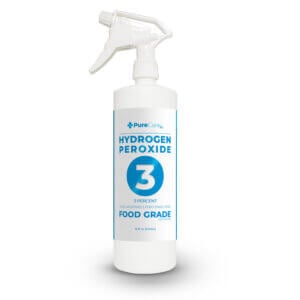 3% Food Grade Hydrogen Peroxide Spray Bottle 16oz
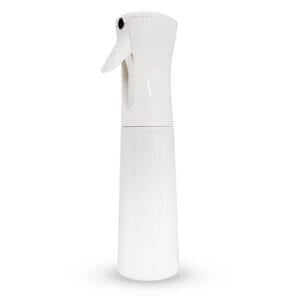 Continuous Spray White Flairosol Bottle 16oz (500ml)
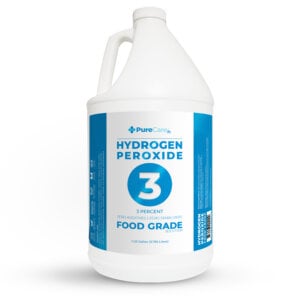 3% Food Grade Hydrogen Peroxide Solution 1 Gallon
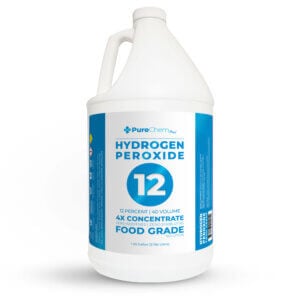 12% Food Grade Hydrogen Peroxide Solution 1 Gallon
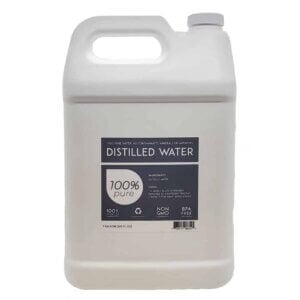 Deionized Distilled Water
Frequently Asked Questions
Will hydrogen peroxide bleach my carpet?
It can lighten some dyes, especially darker and brighter colors. That’s why people always spot test in a hidden area and use it mainly on light-colored, colorfast carpet.
How do I make a 3% spray from 35%?
For a 16 oz spray bottle, add about 2½ tablespoons of 35% and fill the rest with distilled water. For 12%, use about ½ cup.
Can I use it on my couch?
Check the care tag. People use the gentle 1.5% mist on light, colorfast fabrics marked W or W/S, after a spot test. Skip it on S and X fabrics, leather, velvet and silk.
Can I put it in my carpet cleaning machine?
Only if the machine’s maker says it’s okay. Peroxide can affect seals and parts, and using unapproved solutions may affect your warranty.
Should I rinse after using it?
Yes. Blot with a cloth dampened in plain water afterward, then blot dry. That keeps residue from attracting dirt.
Can I mix it with baking soda?
Yes, a paste of 3% and baking soda is a common way to work on set-in spots on light carpet. Mix only what you’ll use right away.
Doing laundry too? See our laundry and stain guide and household cleaning guide, or work out any strength with the dilution calculator.
Free PDF guide
Take the carpet guide with you
- Spot spray charts
- Stain by stain
- Printable bottle labels
6 pages · by email (and text, if you like)
Check your inbox
We sent a download link to . It can take a minute to arrive. Don't see the email? Check your spam or promotions folder.
Disclaimer
Information only, used at your own risk. This page and calculator share general information about how people use hydrogen peroxide on carpet and upholstery. Fibers, dyes and finishes vary, so spot test first and follow the care instructions from your carpet or furniture maker. Results are estimates based on what you enter. You are responsible for how you mix and use hydrogen peroxide.
No product claims. This page is about spots and appearance only. Hydrogen peroxide sold by Bulk Peroxide is not sold or labeled as a carpet sanitizer, disinfectant or deodorizer, and nothing here is a claim about germs or any other organism.
Handling. Concentrated hydrogen peroxide can cause serious burns to skin and eyes and can damage clothing and surfaces. Follow the product label and Safety Data Sheet, wear protective equipment, and keep it away from children and pets.
Limitation of liability. To the fullest extent permitted by law, Bulk Peroxide disclaims all warranties regarding this information and is not liable for any damages, including damage to carpet, upholstery, finishes, flooring or equipment, or voided warranties, arising from its use.